The SFMTA's Traffic Calming Program is designed for and driven by the community. By working with residents like you, we install safety improvements to help slow down speeding on residential streets to make neighborhoods safer for everyone walking, biking and driving.
Program Update: Fulfilling Your Requests
Thank you for your interest in the Traffic Calming Program! Since launching the program in 2001, we've received hundreds of applications from neighborhoods across San Francisco.
We are currently focusing on delivering approved projects and working on a new Residential Traffic Calming program that will have a proactive, data-driven and equitable approach for adding traffic calming across San Francisco. We expect to be able to share news about this in 2027.
View our progress: You can view an interactive map of pending and completed traffic calming devices here.
What Traffic Calming Is:
Traffic calming uses physical features to help drivers slow down. These proven safety tools reduce speeding and make streets more livable.
Common traffic calming devices include:
-
Speed humps – Raised sections across the road
-
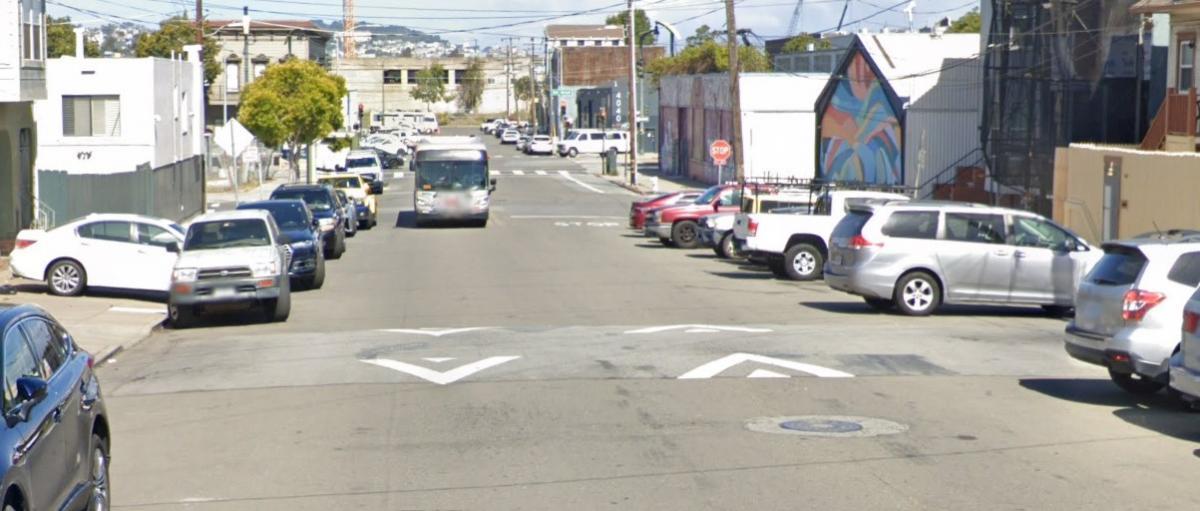
Speed cushions – Raised sections with wheel slots for emergency vehicles and buses
-
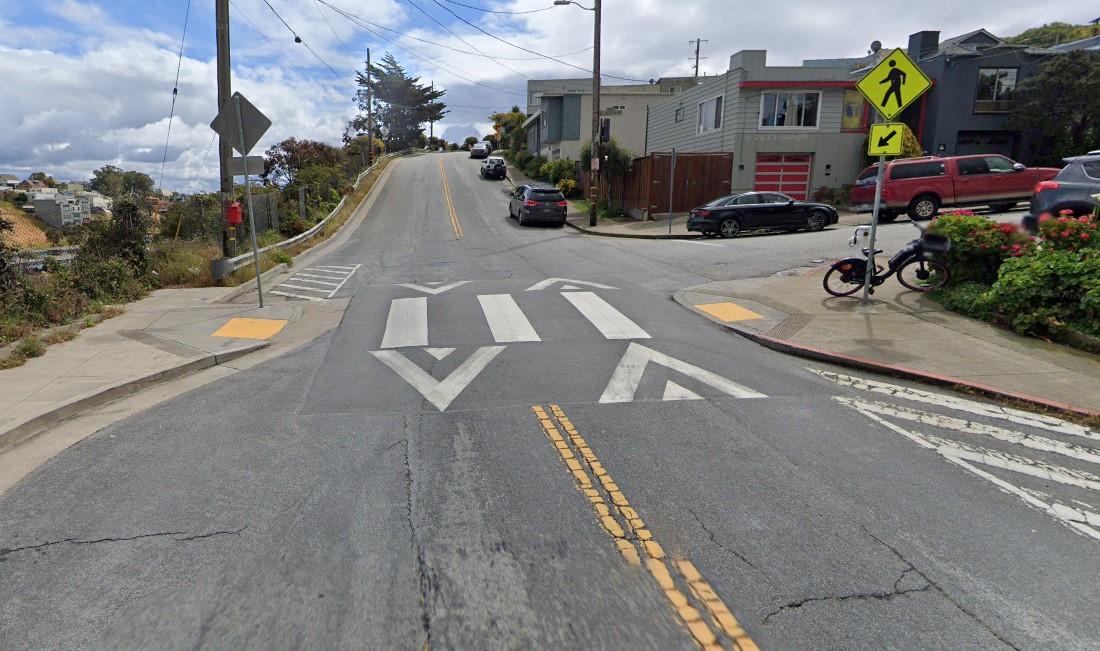
Speed tables – Flat-topped raised areas, often at crosswalks
-
Traffic circles – Circular islands at intersections
-
Median islands – Raised areas that provide safe crossing spots
The type of device we install depends on each block's specific conditions. Speed humps, speed cushions and speed tables are most common because they effectively manage vehicle speeds. See the bottom of this page for more information, illustrations and photos of these devices.
What Traffic Calming Isn't:
The Traffic Calming Program focuses on mid-block speeding on residential streets. The program does not address:
-
Speeding on busy arterial streets (these are handled through other SFMTA programs)
-
Large-scale traffic congestion
-
Multi-block infrastructure projects
-
Stop sign requests (stop signs are handled separately and can be requested through 311)
Stop signs control right-of-way at intersections but don't slow down mid-block speeds. Traffic calming devices encourage slower speeds along the entire block.
For intersection safety concerns: Contact the SFMTA through the city's 311 system or call 311 (outside SF: 415-701-2311).
TYPES OF TRAFFIC CALMING DEVICES:
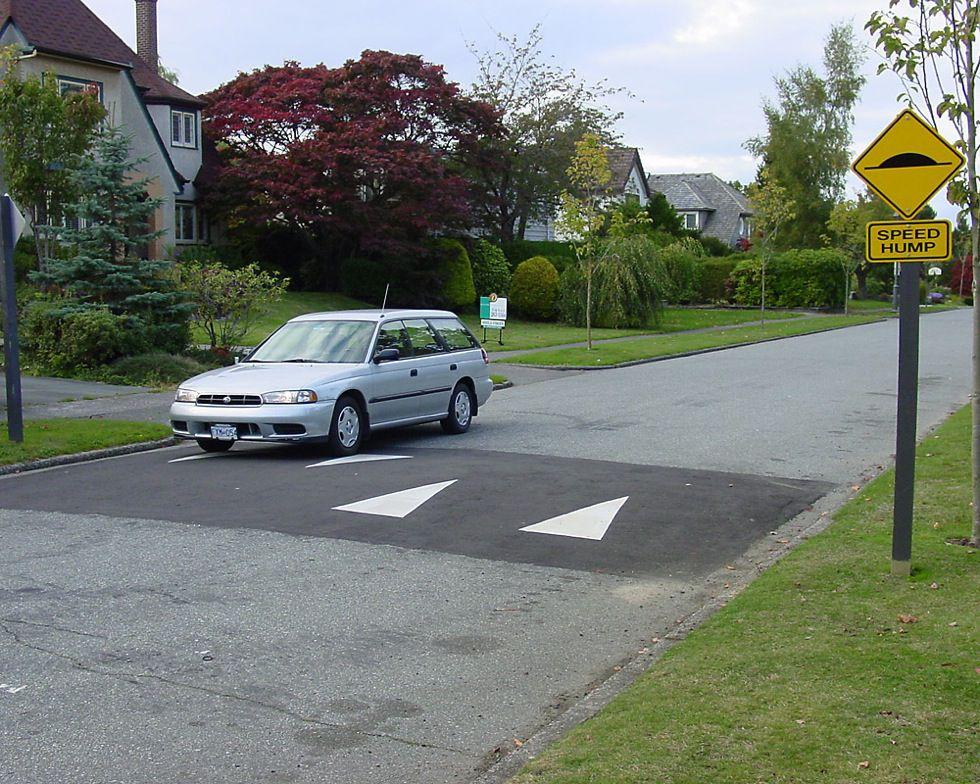
SPEED HUMPS - A raised section across the entire road. Very effective at slowing traffic, but requires approval from the San Francisco Fire Department since they can impact emergency response times.
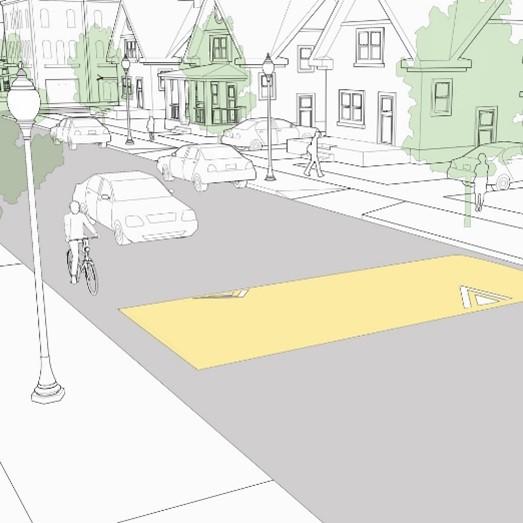
Speed Hump | National Association of City Transportation Officials nacto.org
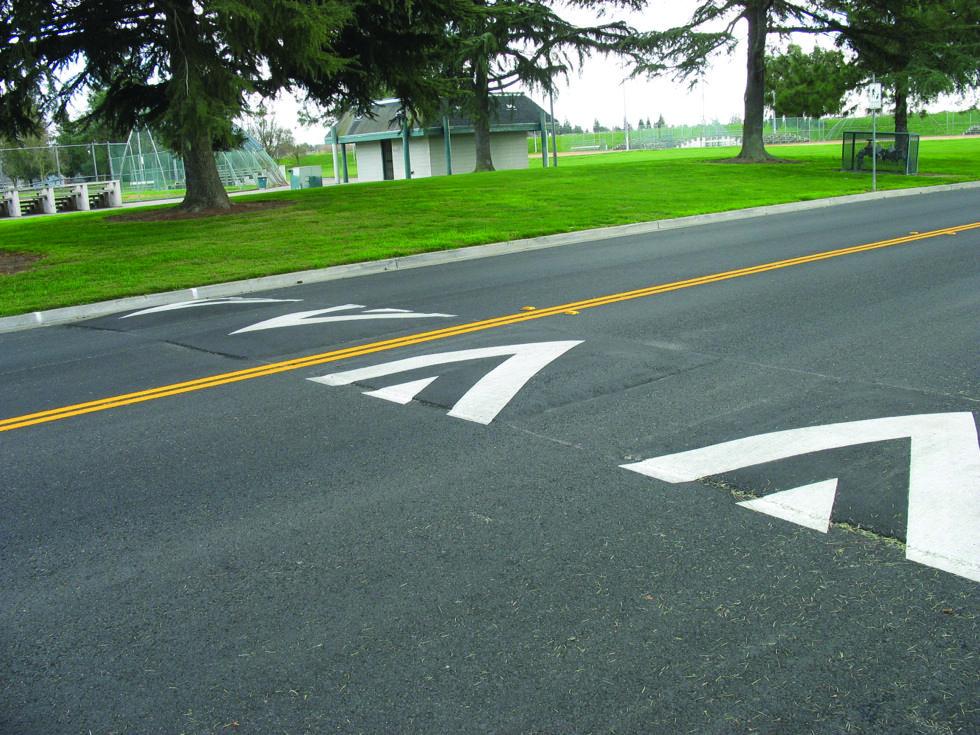
SPEED CUSHIONS - Raised sections with wheel slots that allow fire engines and buses to pass more easily while still slowing down regular vehicles.
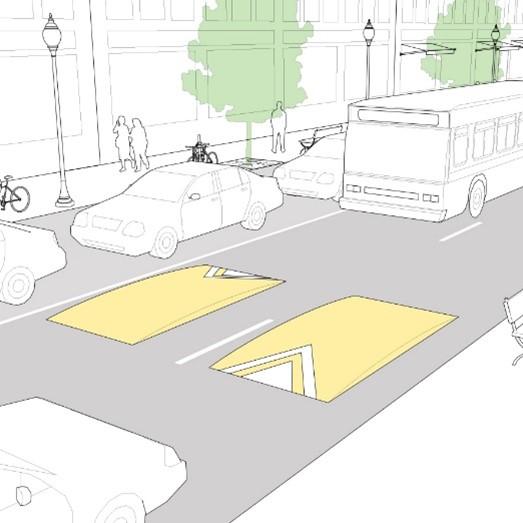
Speed Cushion | National Association of City Transportation Officials nacto.org
SPEED TABLES & RAISED CROSSWALKS - Flat-topped raised areas that slow vehicles mid-block or at crosswalks. Like speed humps, these require fire department approval.
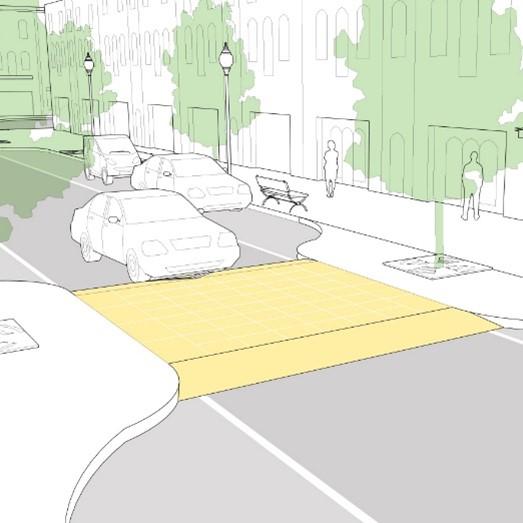
Speed Table | National Association of City Transportation Officials nacto.org