Welcome to the Central Subway!
San Francisco opened its first new subway in over 40 years in 2023, with three new underground stations and one above-ground station joining the Muni Metro T Third line. By extending the T Third 1.7 miles through SoMa, Union Square and Chinatown, there is now faster, smoother transit service between some of the city’s busiest, most vibrant areas.
The new T Third line from Chinatown Rose-Pak to Sunnydale started on January 7, 2023, Monday through Friday, 6 a.m. to 12 a.m., and Saturdays and Sundays, 8 a.m. to 12 a.m. The new T Third line continues to provide service along 3rd and 4th streets and now extends north to four new stations: 4th & Brannan, Yerba Buena/Moscone Station, Union Square/Market Street Station and Chinatown-Rose Pak Station. The T Third is no longer running along King Street, the Embarcadero or Market Street.


- Implementation / Construction
- Current
Project Background
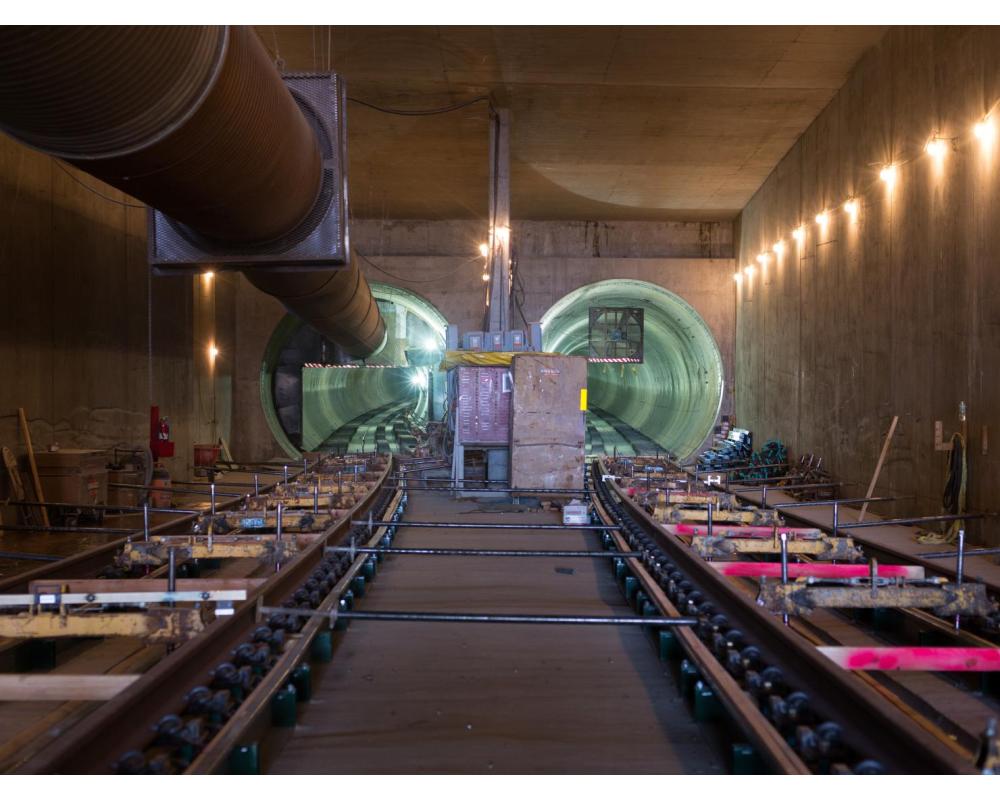
Planning for Central Subway began in the late 1980s to provide more transit on 3rd Street and in Chinatown. After six years of construction, the first part of the T Third opened on 3rd Street in 2007. It connects neighborhoods in Mission Bay, Bayview, Hunter’s Point and Visitacion Valley. In 2013, work began to add 1.7 miles to the T Third, with four new stations in SoMa, Union Square and Chinatown. Tunnels over a mile long under the streets are as deep as 120 feet in some areas. The project cost $1.9 billion, provided by the Federal Transit Administration, the State of California, the Metropolitan Transportation Commission, the San Francisco County Transportation Authority and the City and County of San Francisco.
Project Implementation
Construction Phase
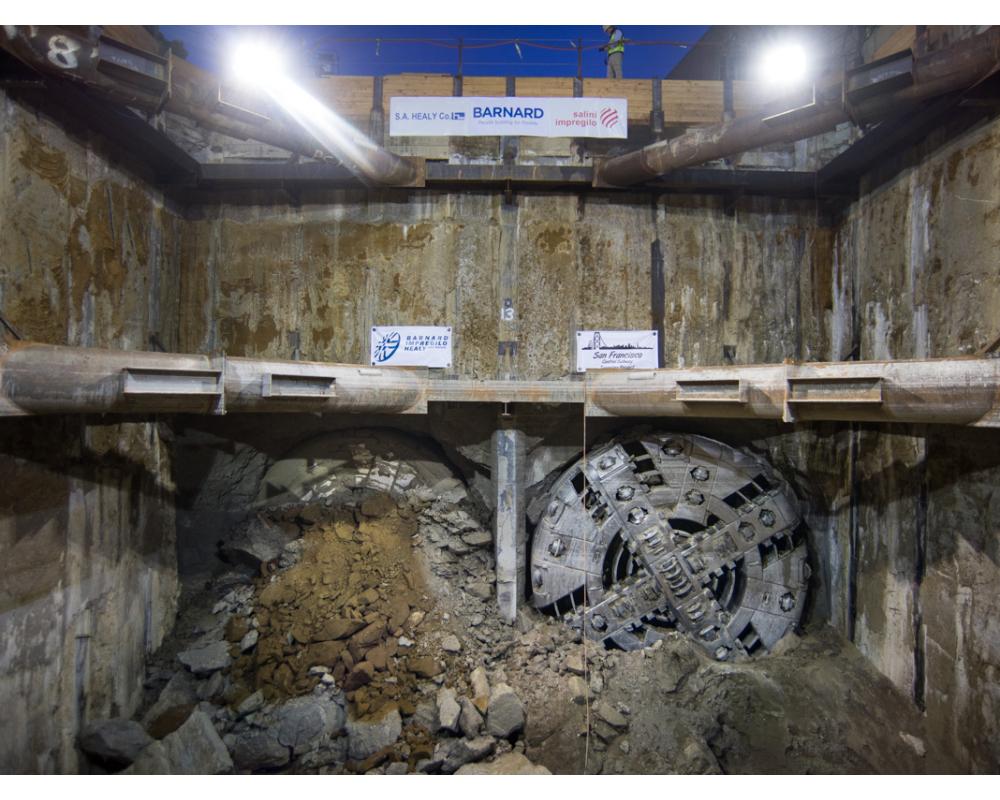
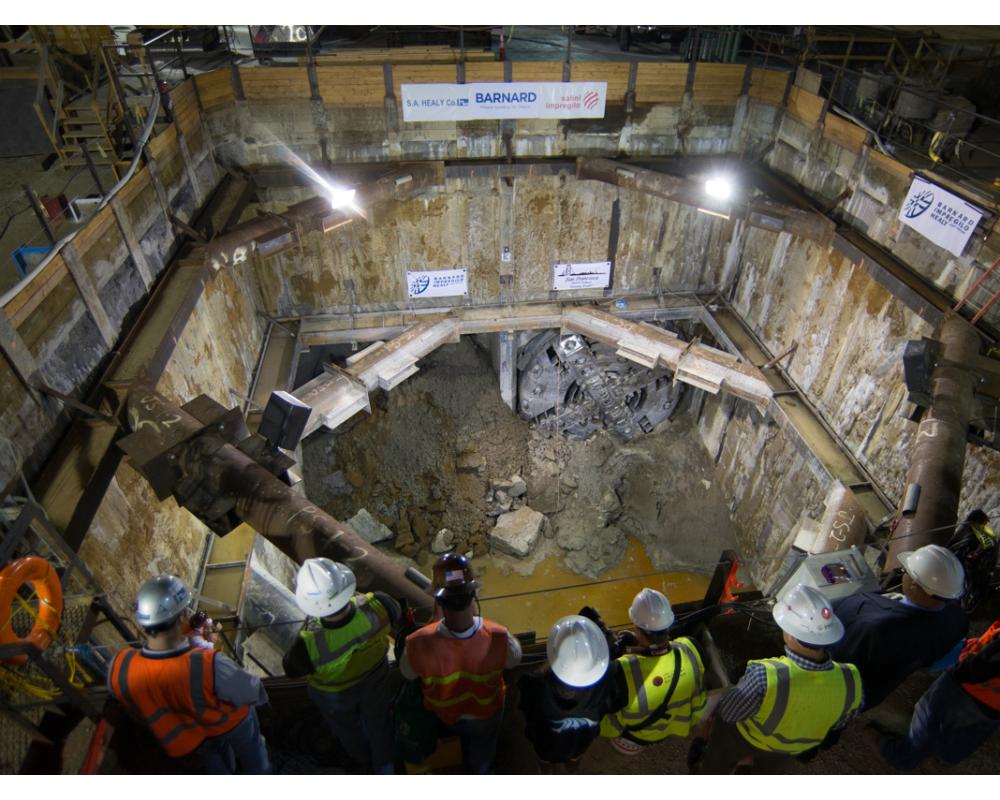
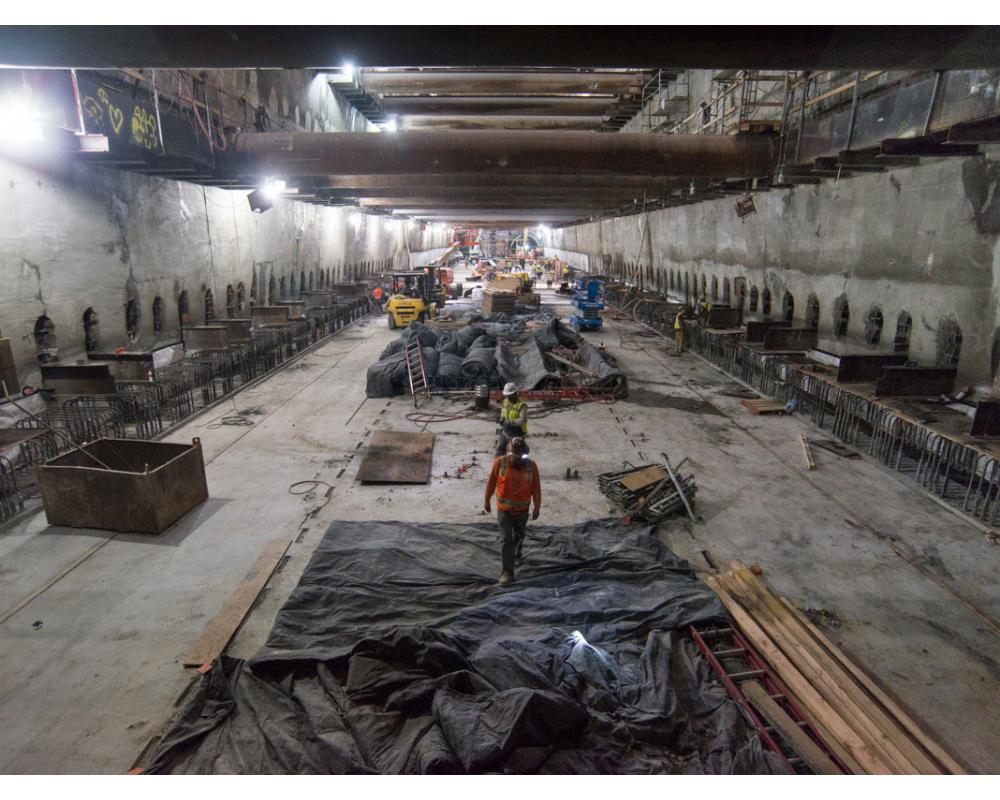
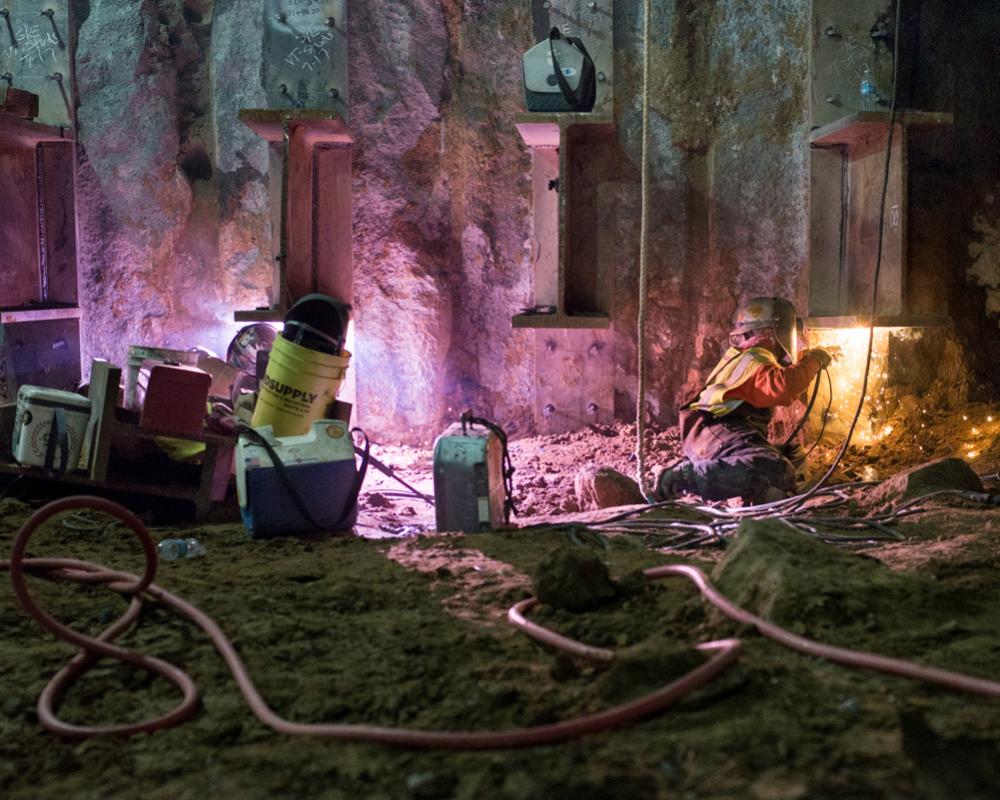
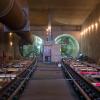
- Building launch box for tunnel boring machines on 4th between Harrison and Bryant
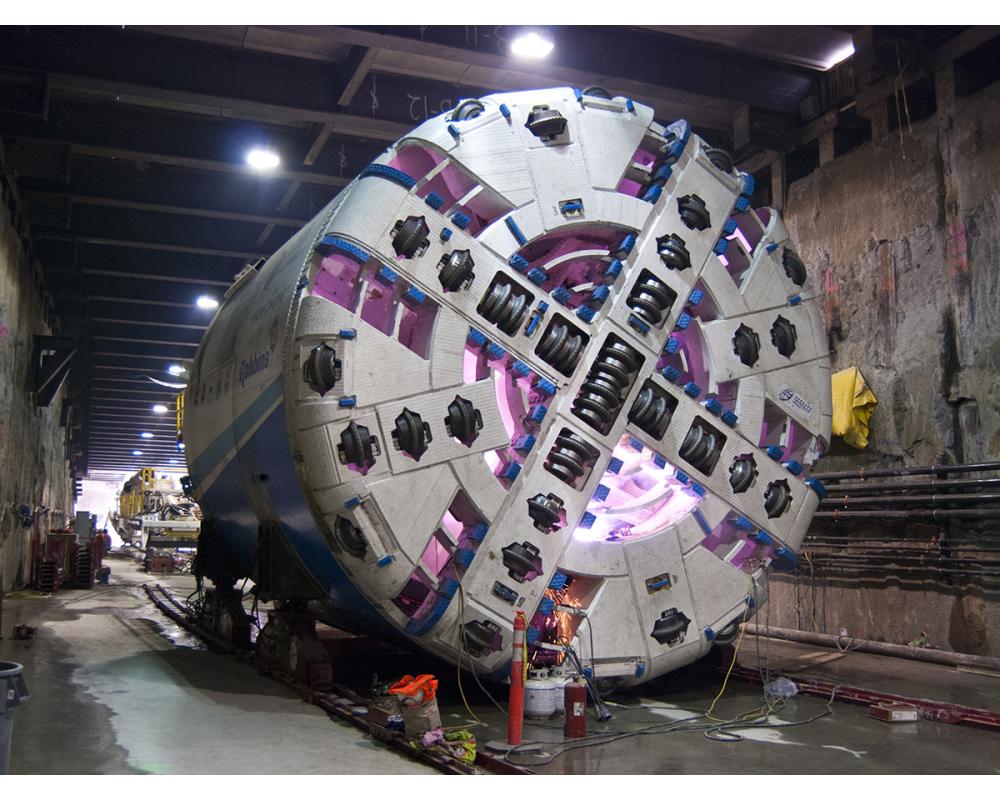
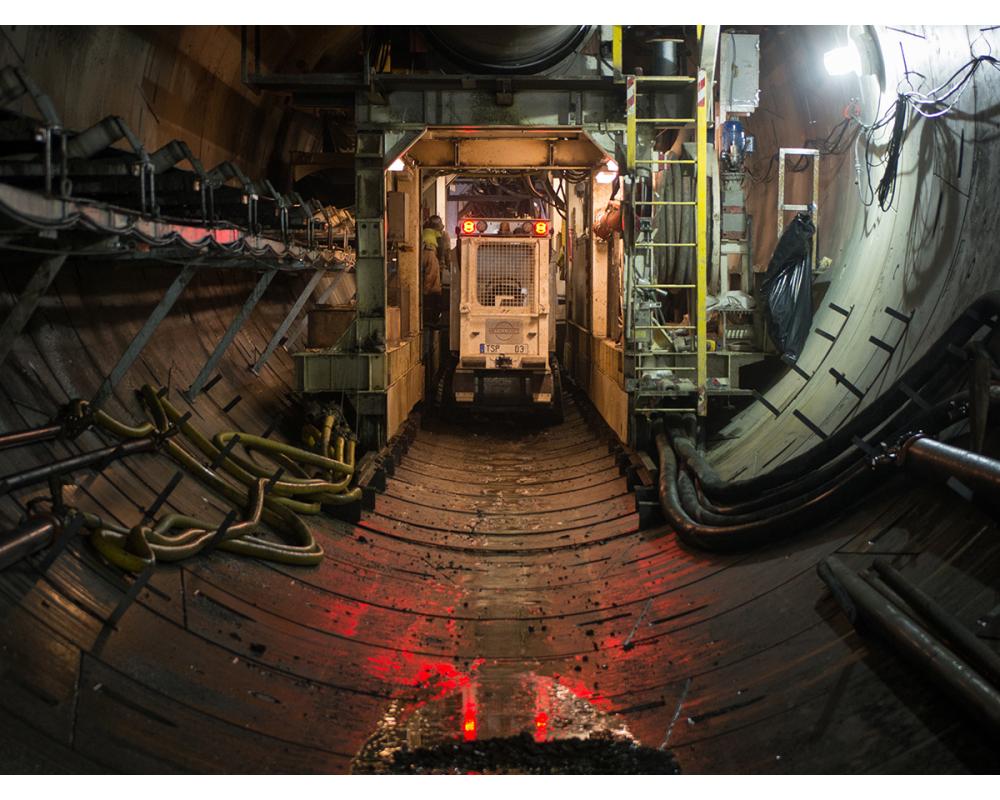
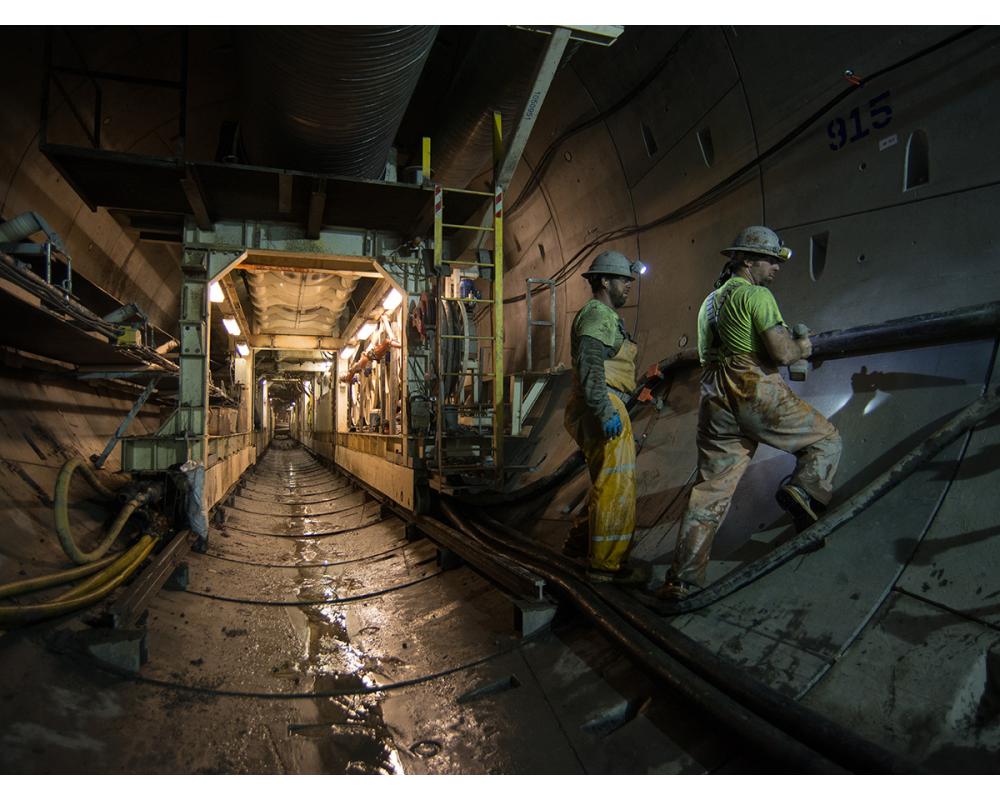
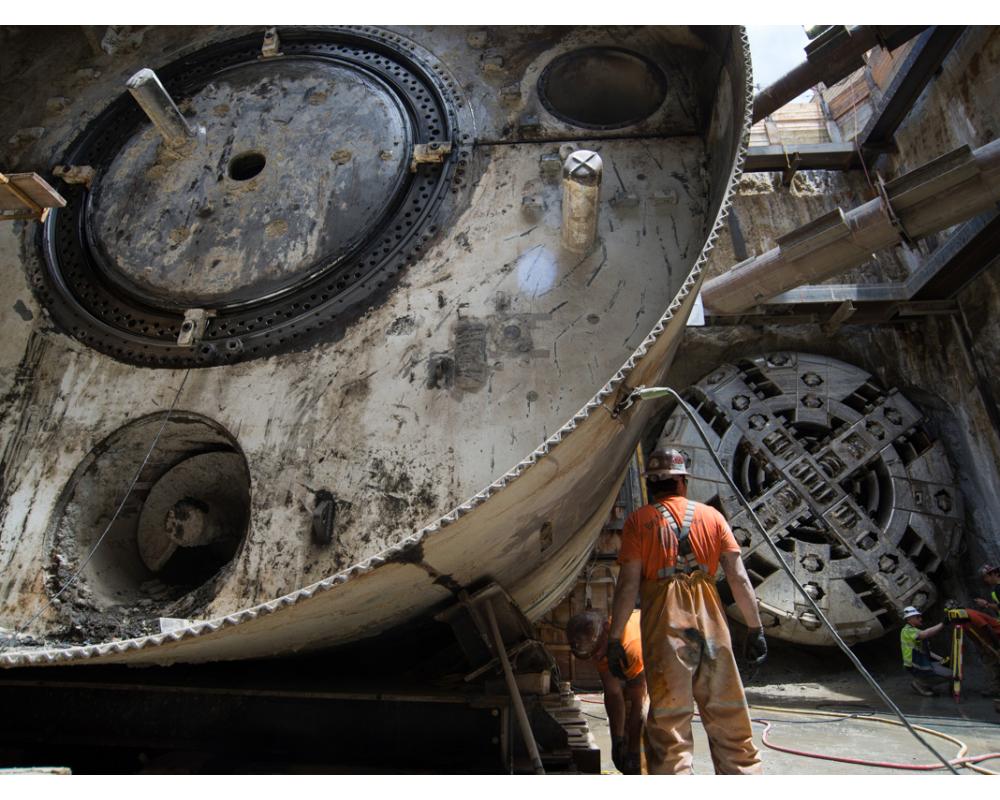
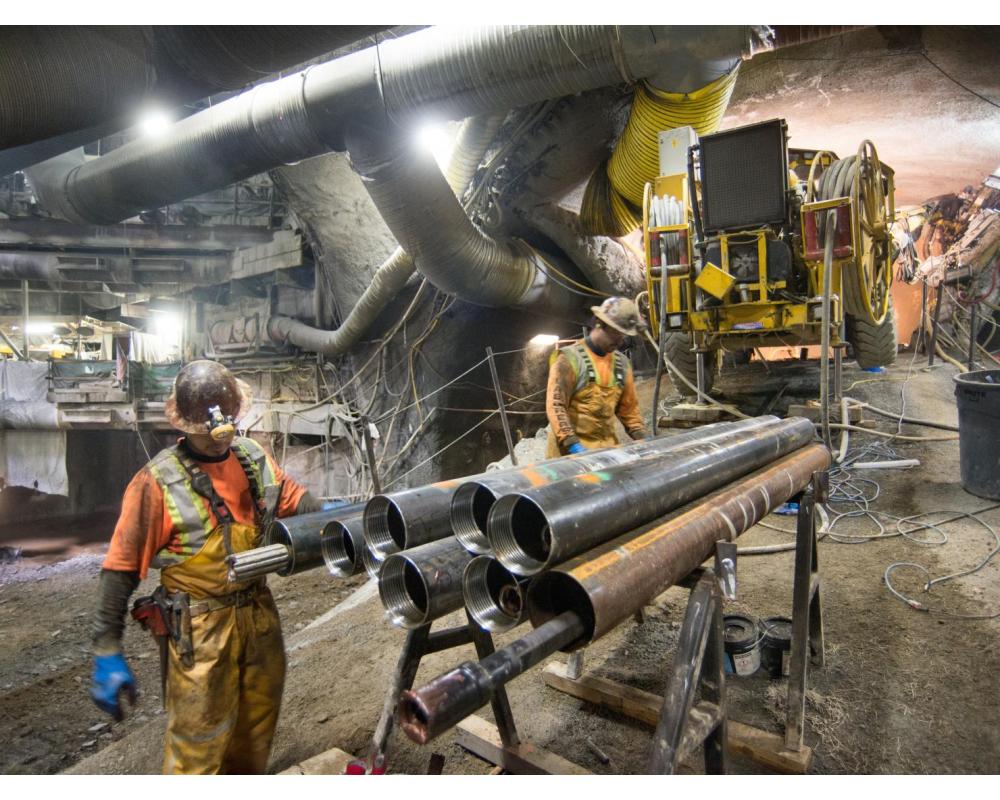
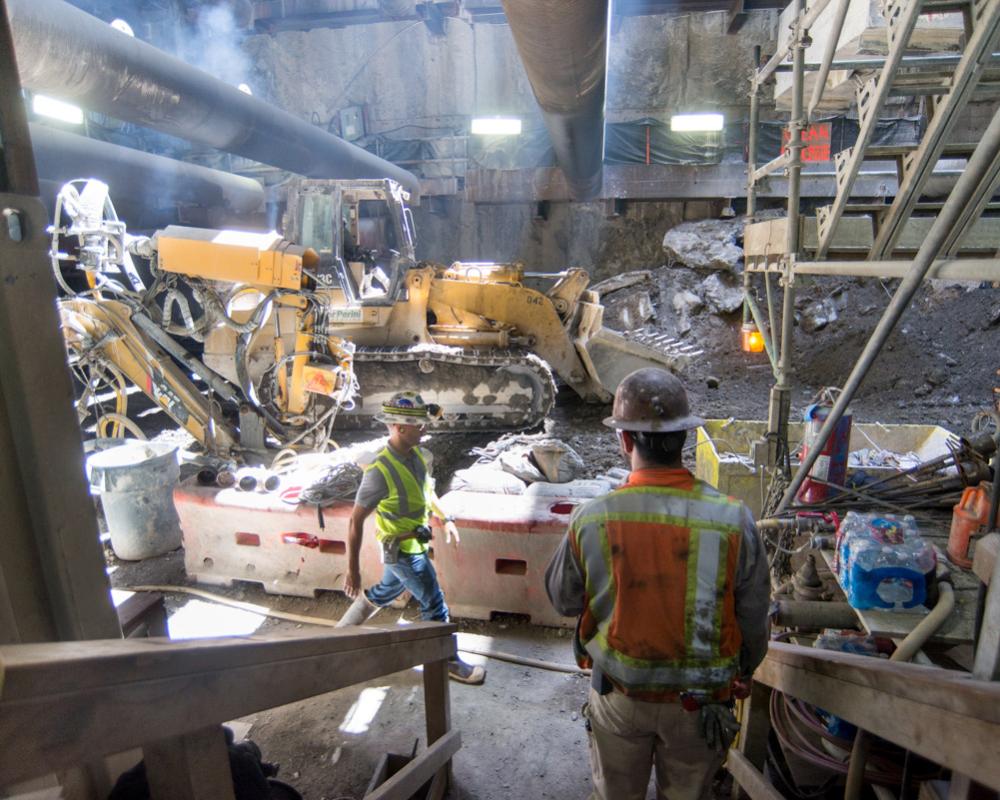
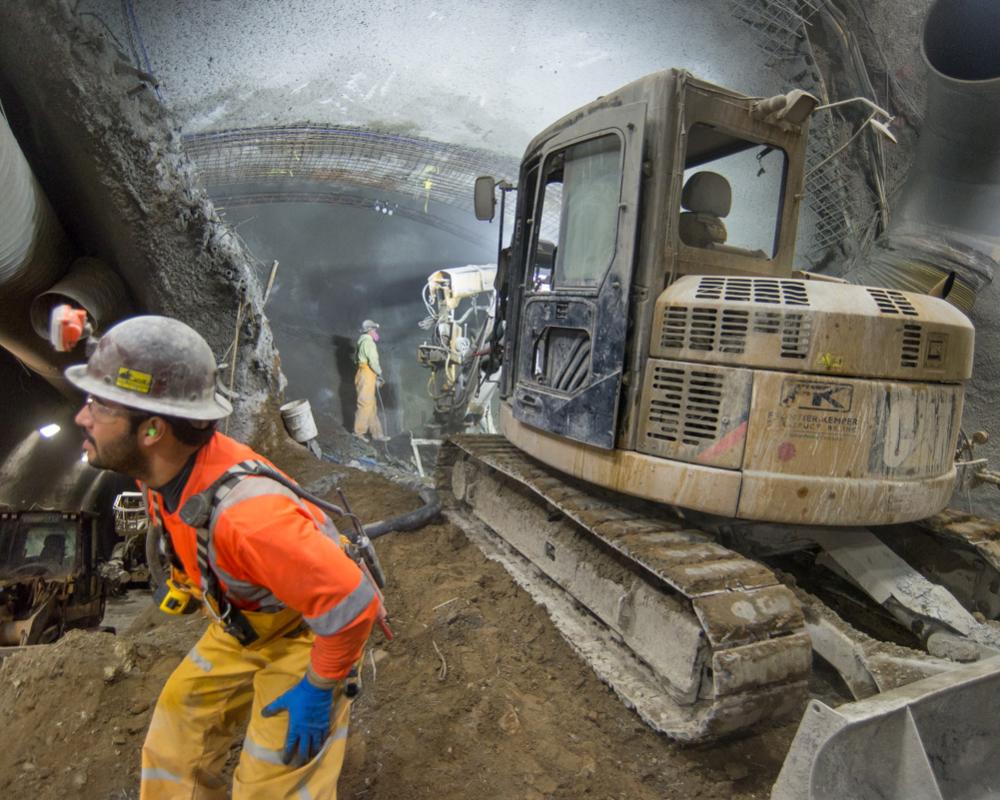
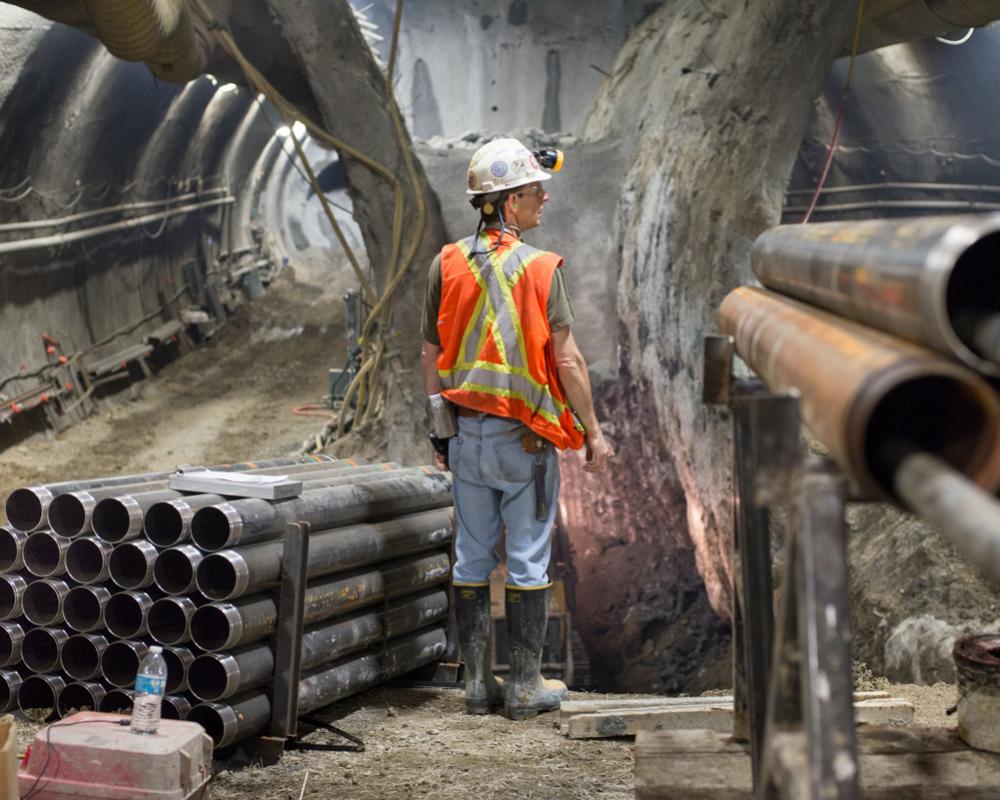
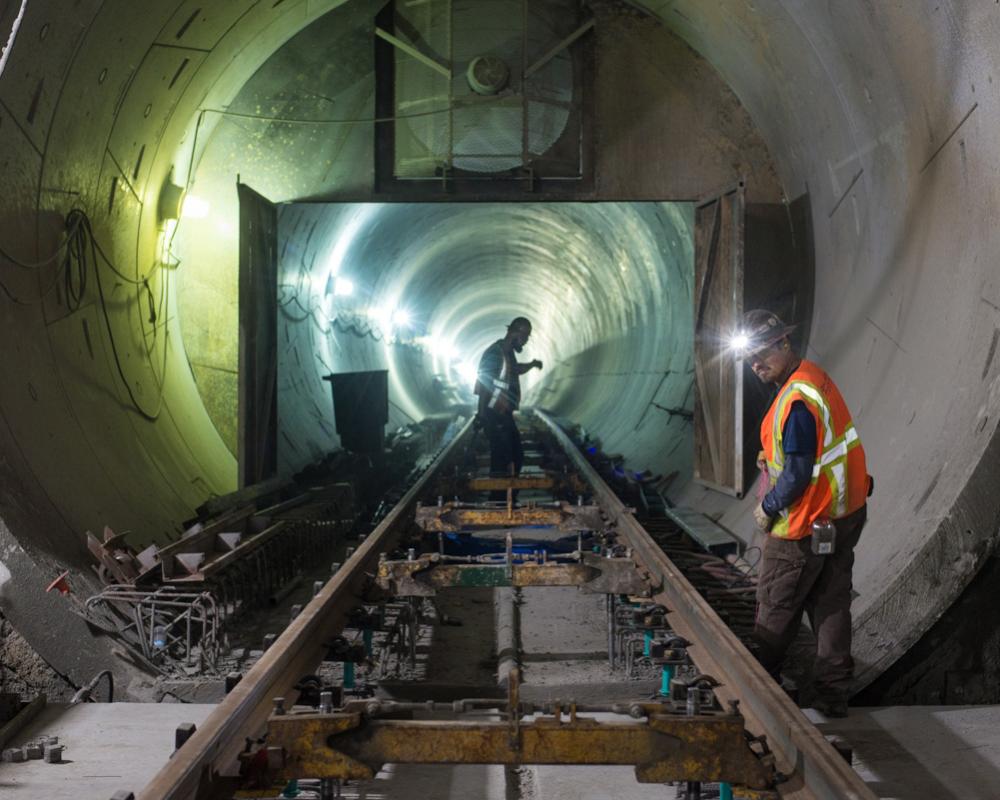
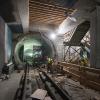
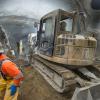
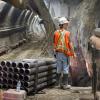
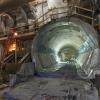
- Excavating tunnels by tunnel boring machines beneath SF
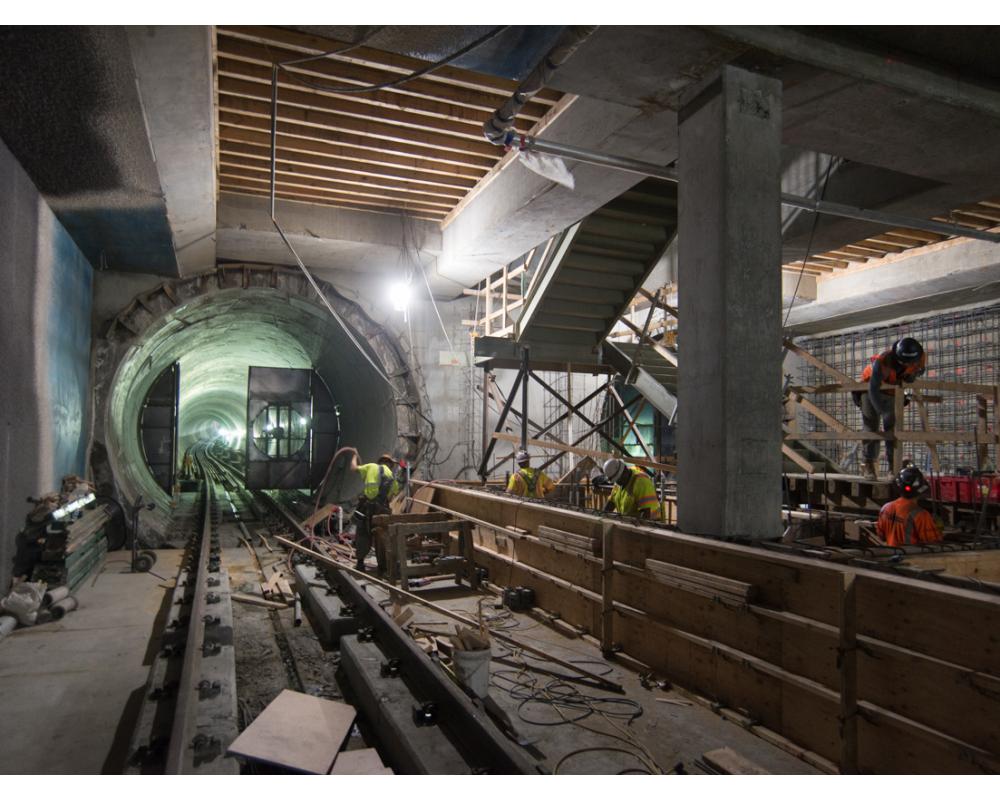
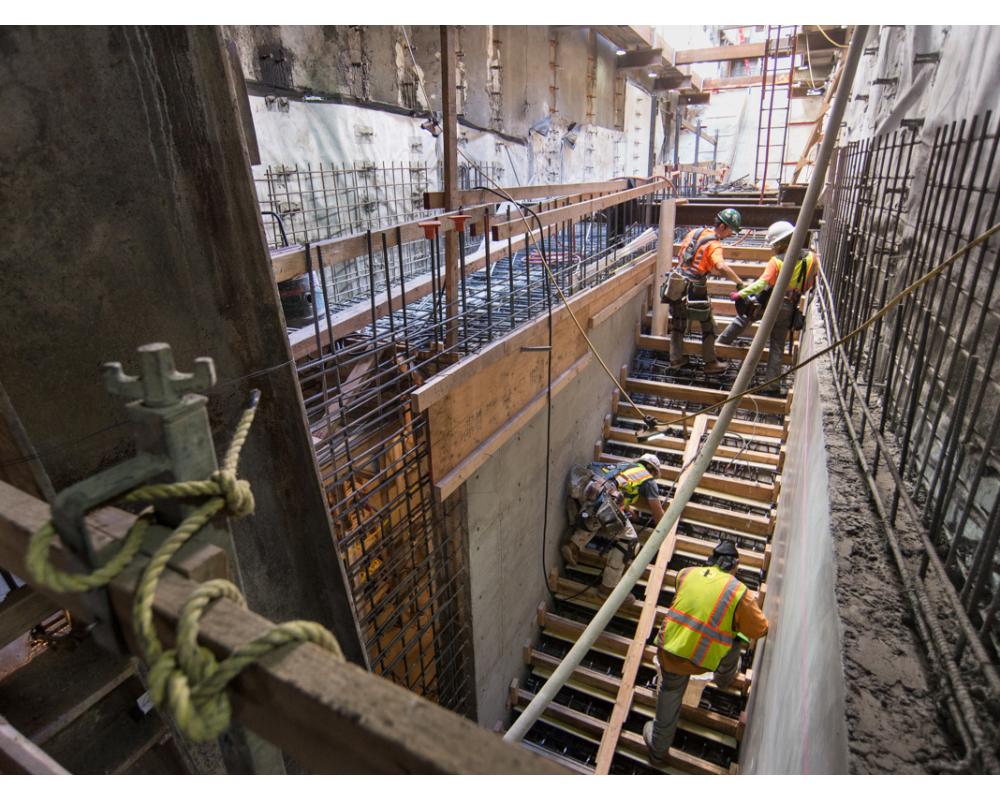
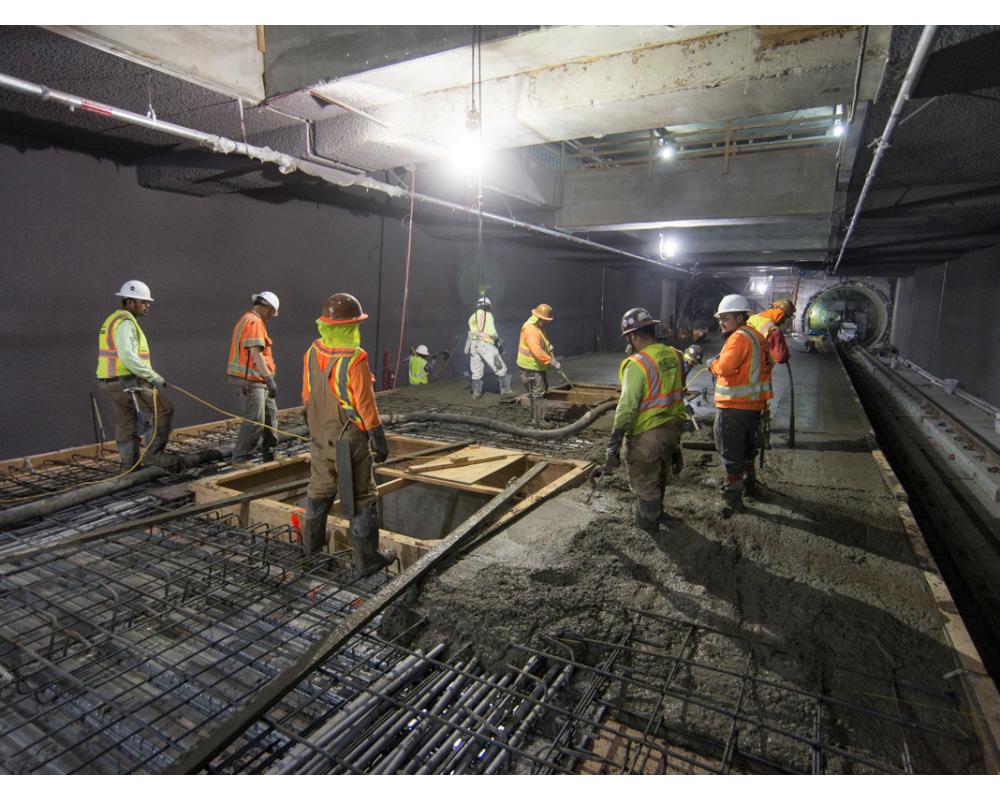
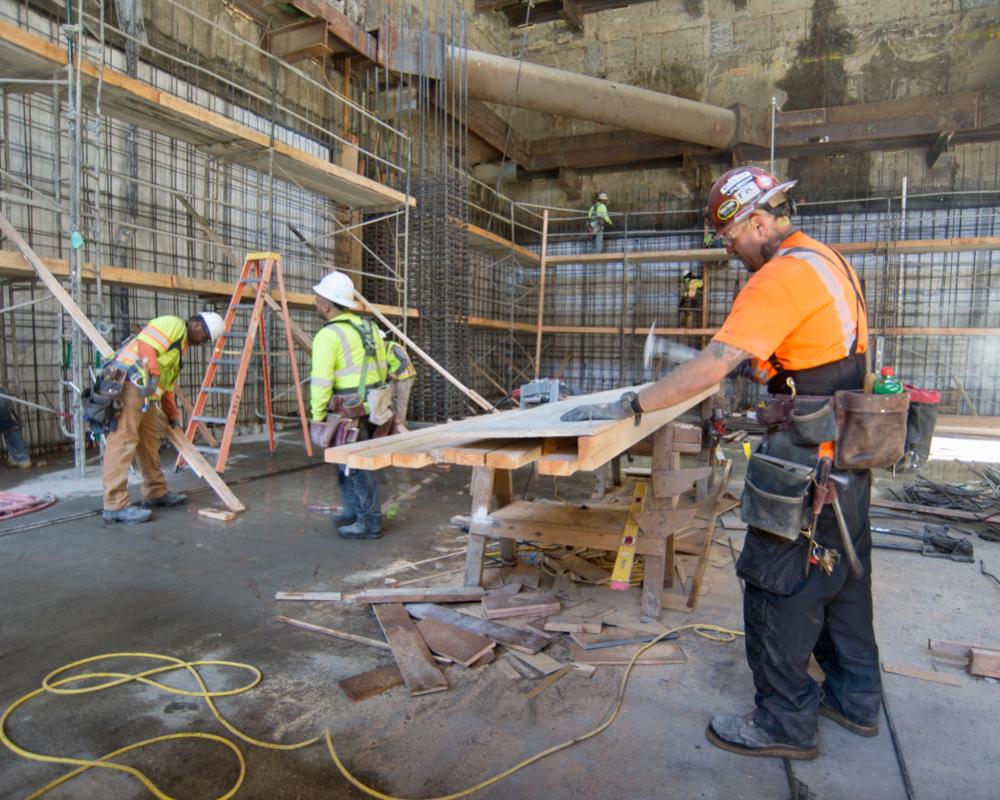
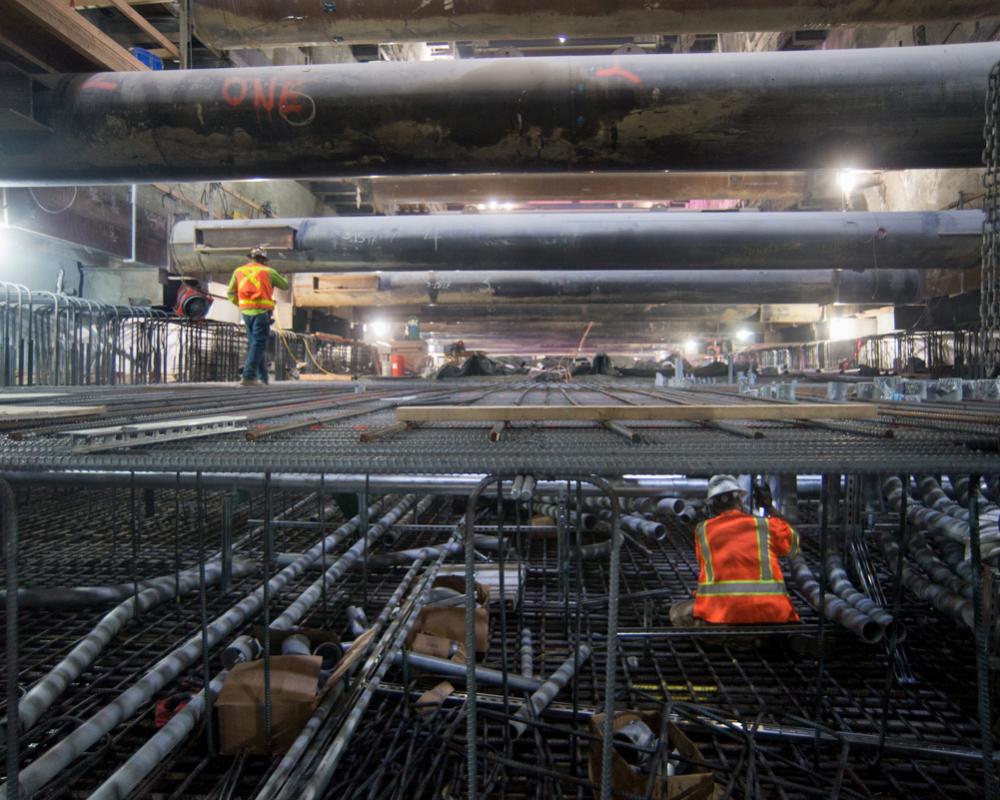
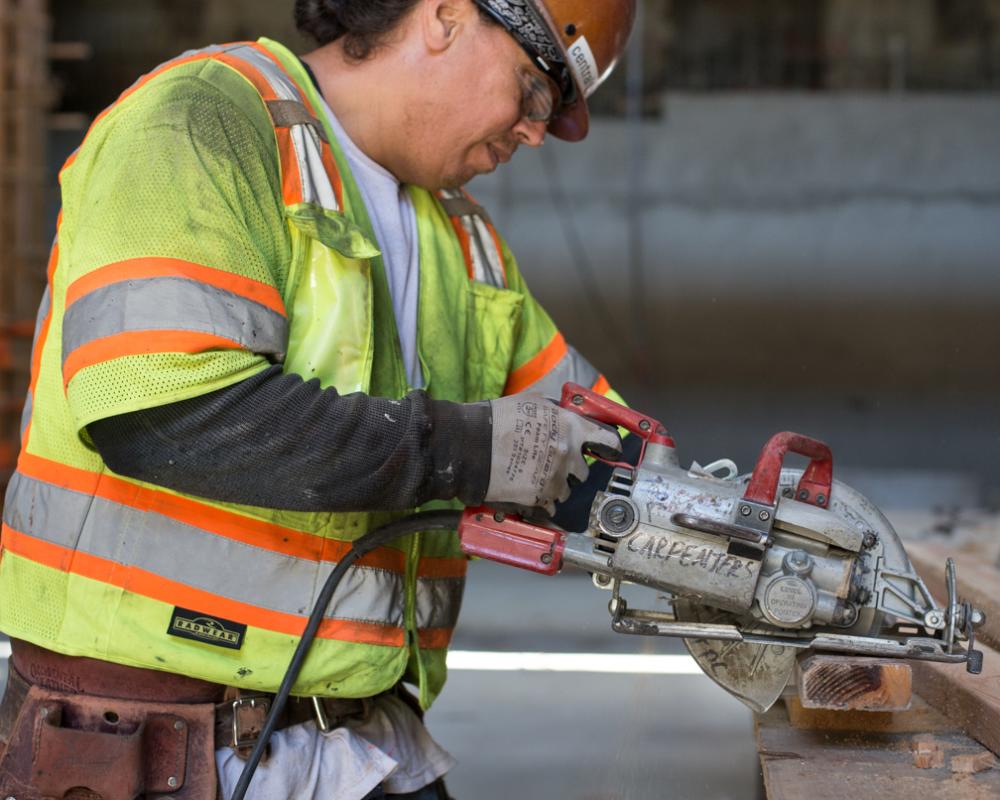
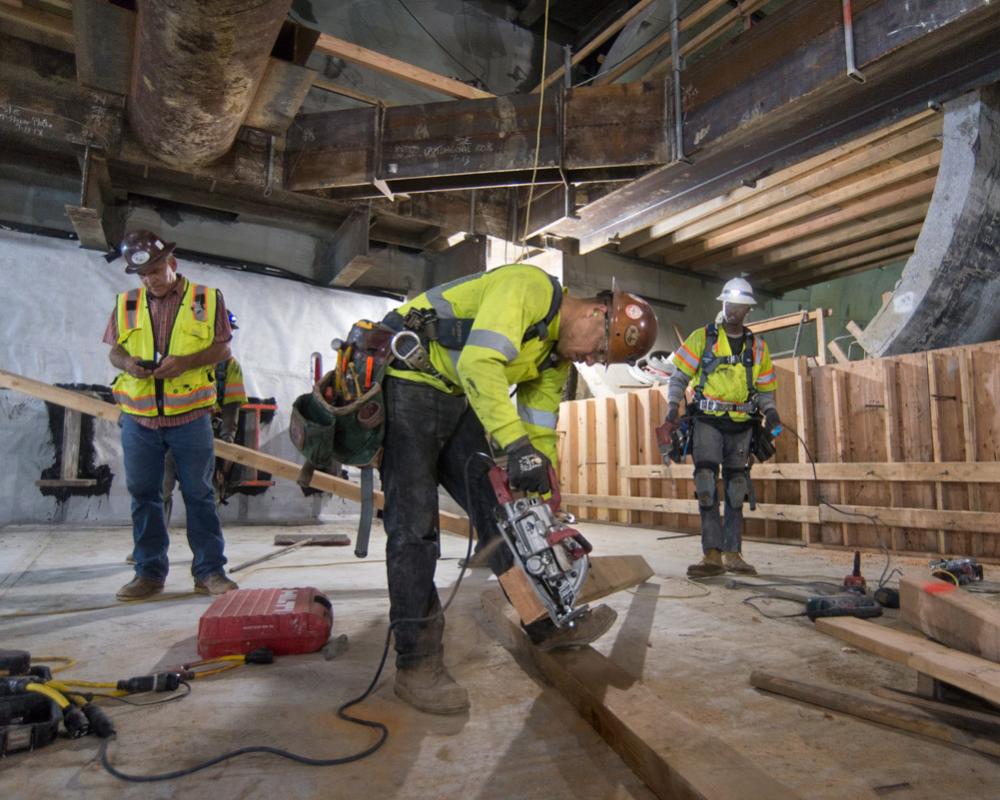
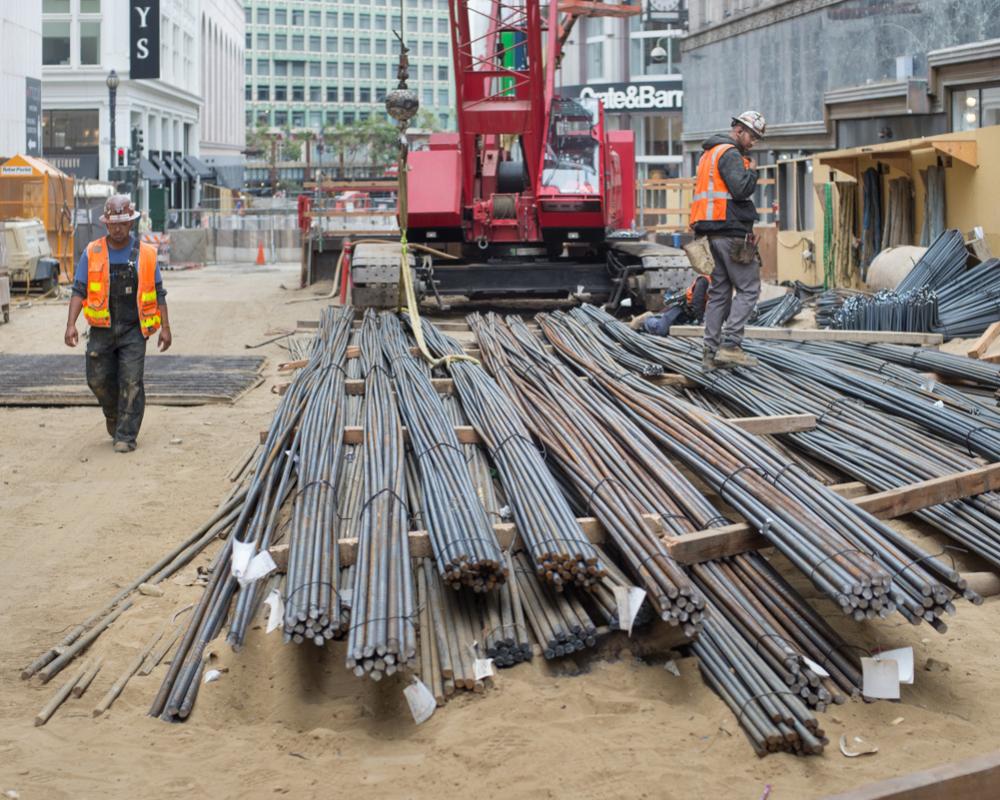
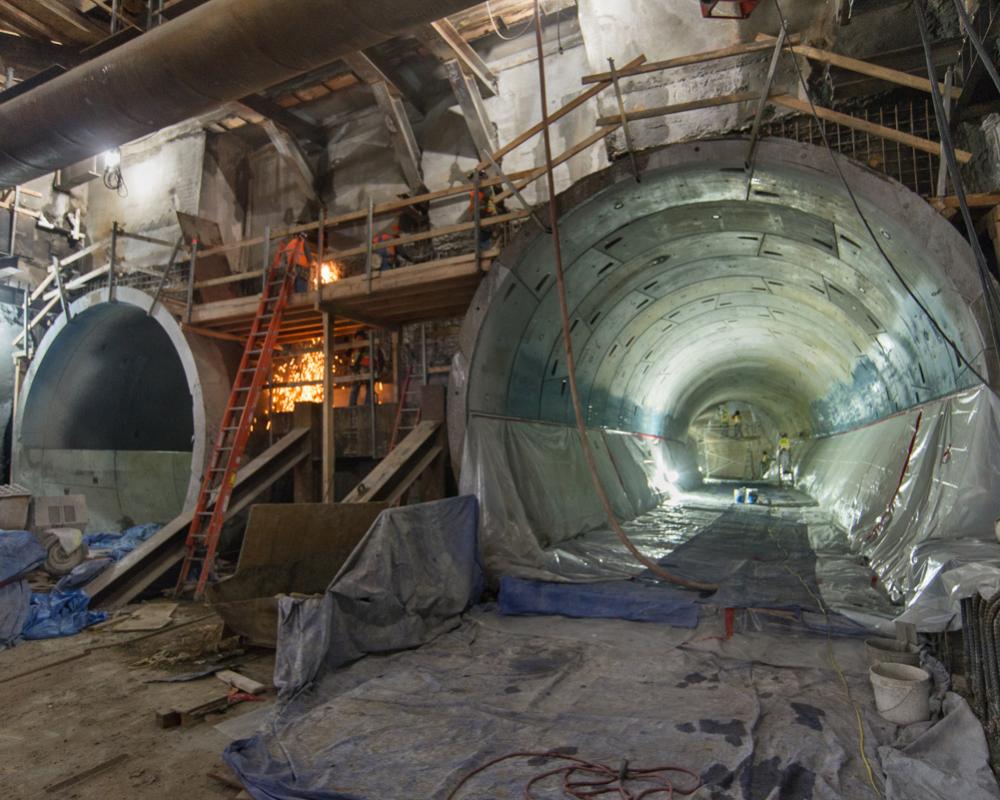
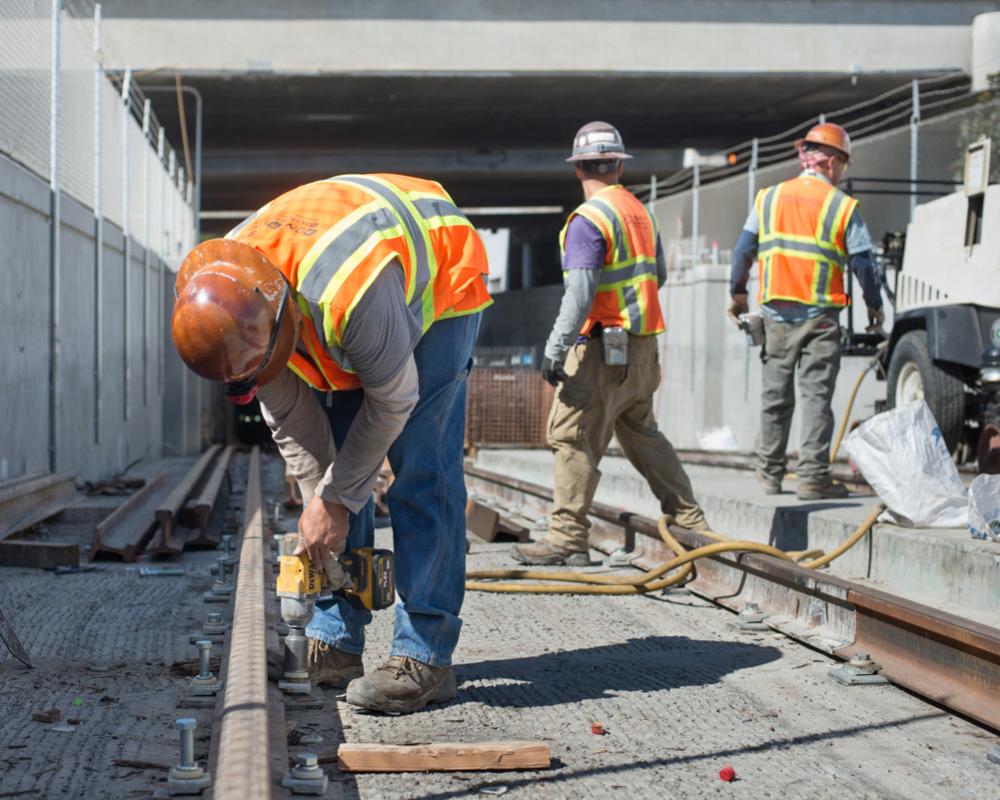
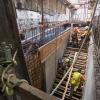
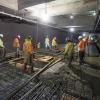
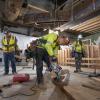
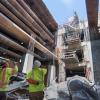
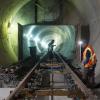
- Building stations, surface tracks, and systems
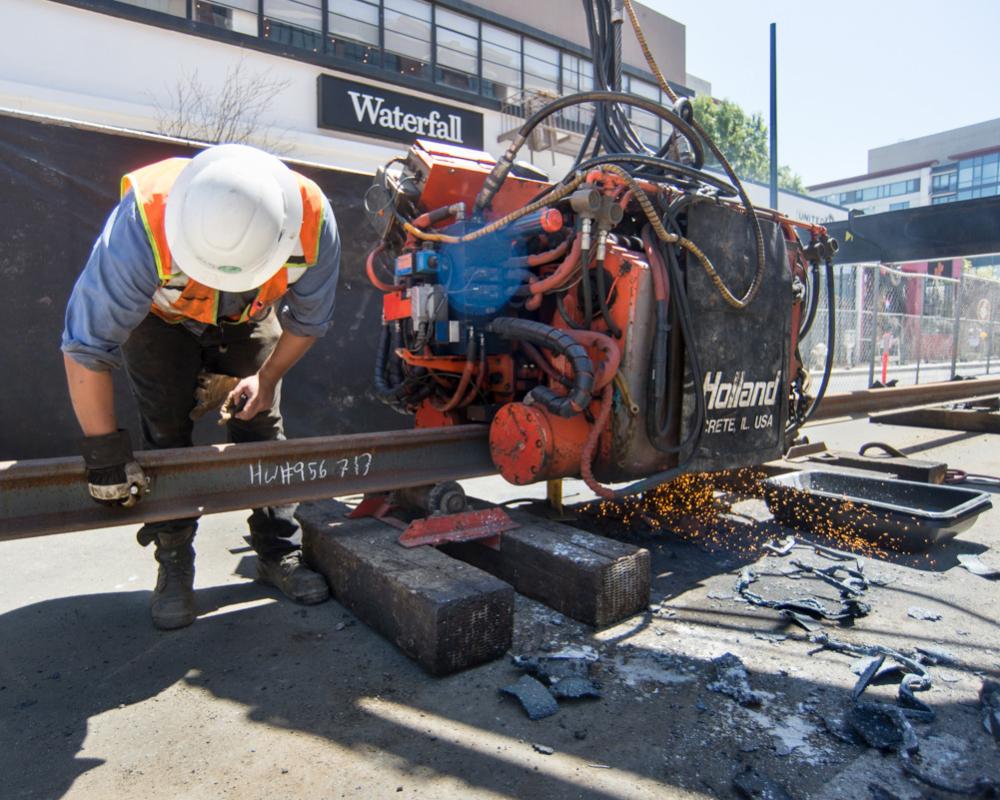
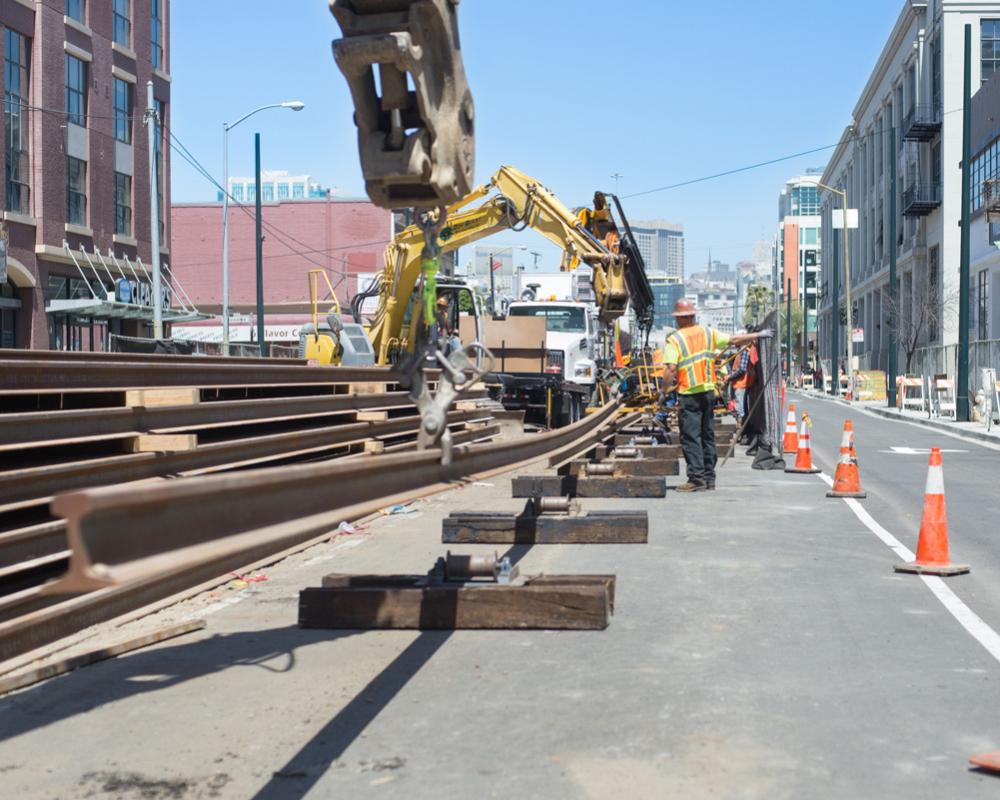
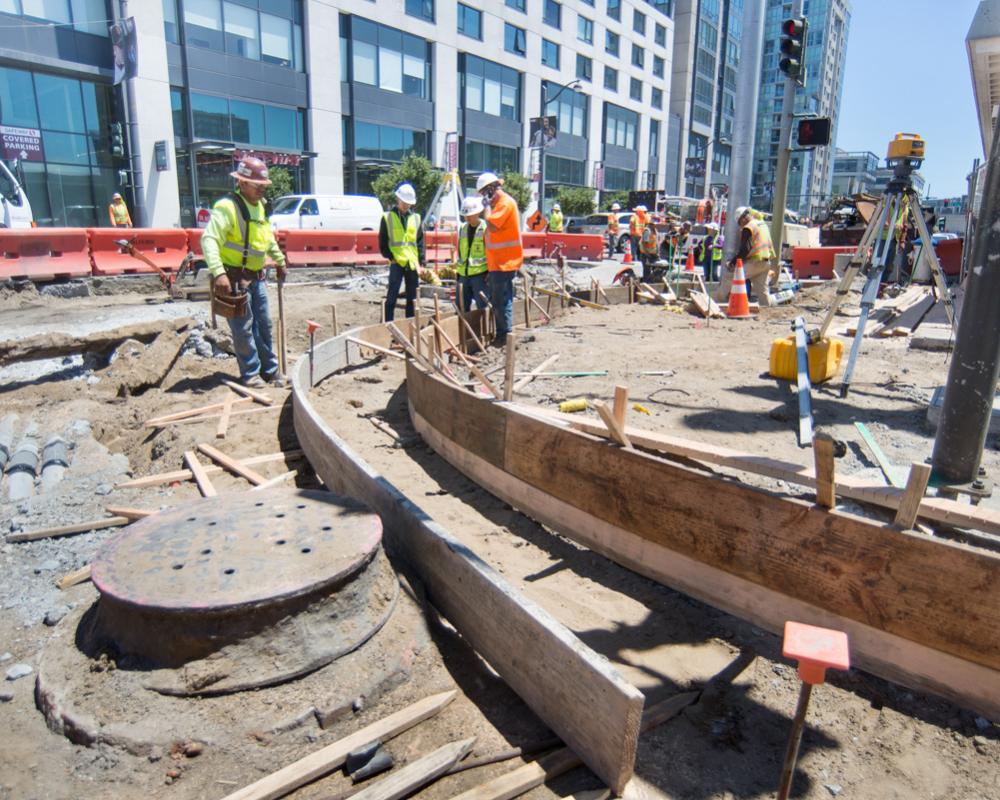
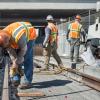
- Installing new track interchange at 4th and King and 4th Street surface tracks
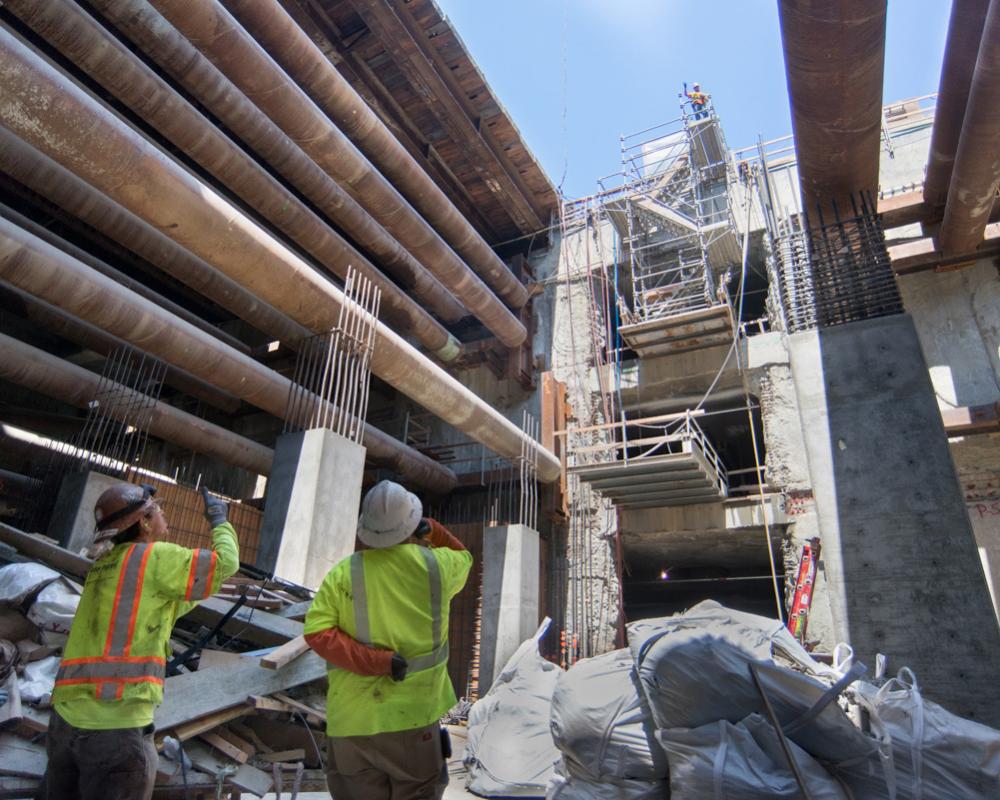
- Completing major excavation for Yerba Buena/Moscone Station and Union Square/Market Street Station and pivoting work toward interior construction
Testing Phase
- Inspecting fire sprinklers installed in tunnels to ensure they respond to fire alarm activation
- Testing emergency ventilation fans for adequate tunnel air supply and extraction
- Conducting safety drills and developing contingency plans in the event of a passenger evacuation or first responders needing access to an incident in the tunnel
- Verifying automatic train control system guides the automatic movement of light rail vehicles properly through tunnels
- Assessing radio and data communication systems for effective delivery of audio and visual announcements to customers and automatic vehicle location data to the Transportation Management Center
- Inspecting customer information system and certifying Metro audio announcements and displays are working correctly.
Service
Service for the Central Subway has begun with free weekend-only service between Chinatown-Rose Pak and 4th/Brannan stations, followed by revenue service beginning January 7, 2023 seven days a week between Sunnydale and Chinatown. During the final phase, project staff will continue to engage our community partners in Bayview, SOMA, Union Square and Chinatown and inform customers about the service changes to Muni’s Metro system.
Additional Resources
Office Hours
Have a question about the Central Subway Project? Stop by our construction office to get assistance from project staff during our Community Drop-In Office Hours:
Central Subway Project Office
530 Bush St. Suite 400 (4th Floor)
M-F 9am to 5pm
Funding
The Central Subway Project is funded by the Federal Transit Administration (FTA), the State of California, the Metropolitan Transportation Commission, the San Francisco County Transportation Authority and the City and County of San Francisco.
The majority of funding for the Central Subway Project is provided by the FTA’s New Starts program, with a total commitment over the life of the project of $948.4 million. An additional $41 million in federal funds is designated to the project as part of the U.S. Department of Transportation’s Congestion Mitigation and Air Quality Improvement Program, which supports environmental efforts for surface transportation and related projects. The federal funds allocated for the Central Subway Project cannot be redirected for investment in any other San Francisco projects.
The San Francisco Municipal Transportation Agency’s (SFMTA) baseline budget for the Central Subway Project is approximately $1.95 billion. There has been no increase in the local funding commitment since original voter approval in 2003 of $126 million in Proposition B/K sales tax funds.
In total, about half of the funding for the entire Third Street Light Rail Transit Project is from federal sources, with the remaining half from state and local sources. The Central Subway Project is one of the nation’s highest-rated projects in the FTA's New Starts program.