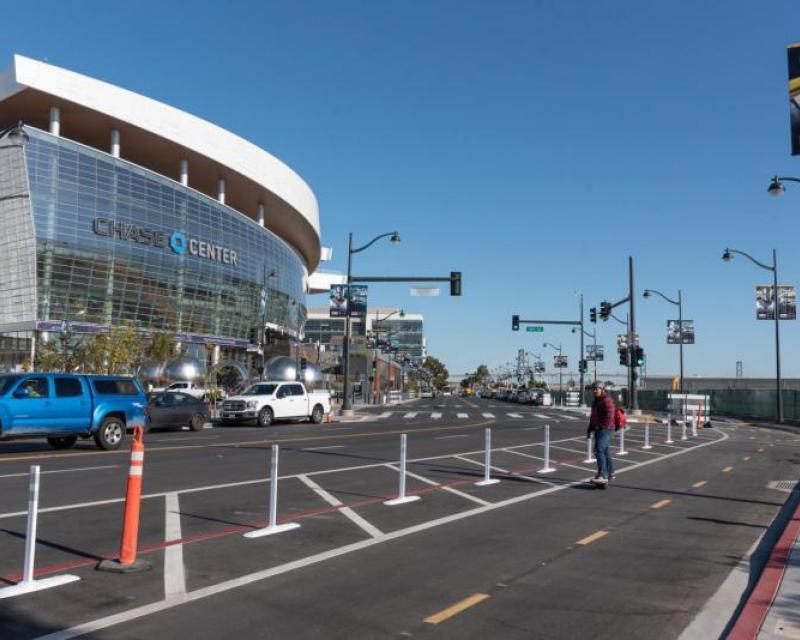
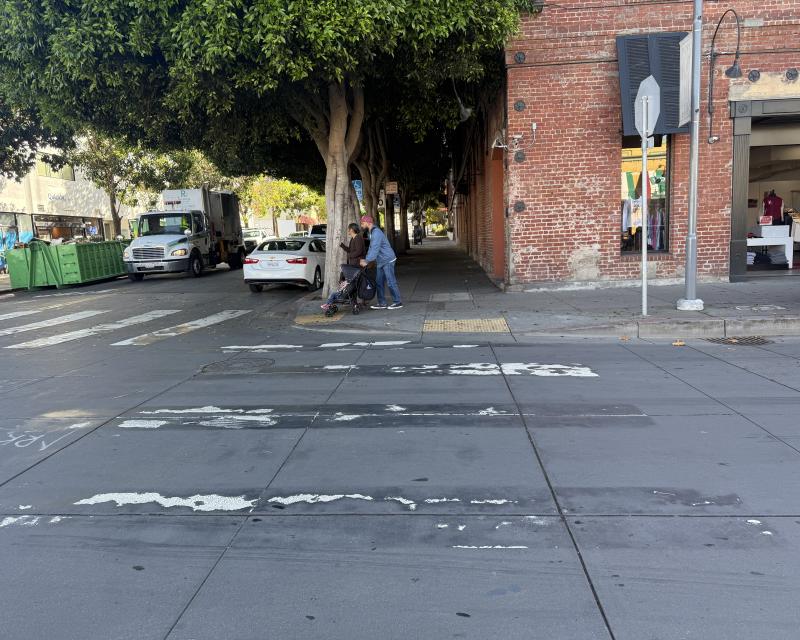
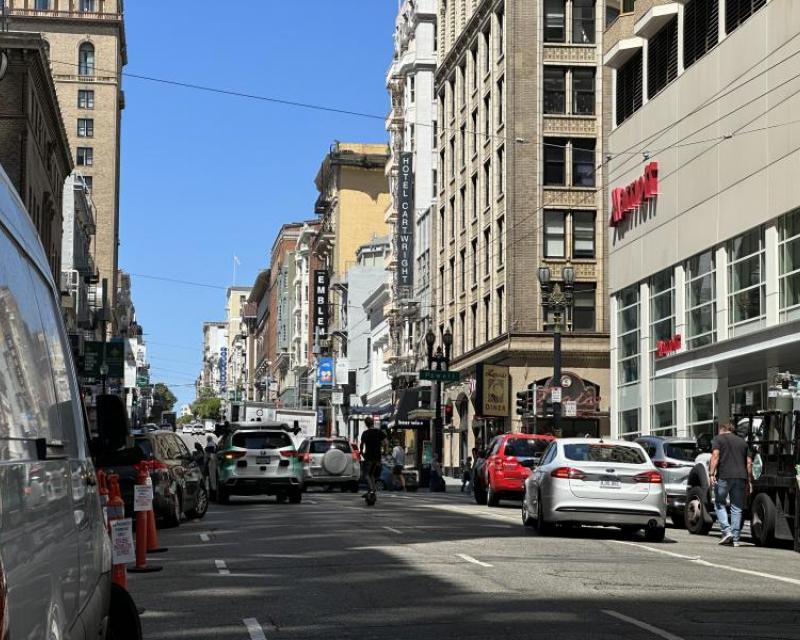
The Quick-Build Program is an effort to quickly implement pedestrian and bicycle safety improvements on San Francisco's High Injury Network. Our agency is committed to delivering quick-build projects, while also working on comprehensive longer-term street changes for major capital projects. The SFMTA believes that quick-build safety projects will decrease the number of people fatally and severely injured on San Francisco streets, resulting in progress towards the city's commitment to traffic safety.
The Quick-Build Program has two components: Quick-build corridor projects and quick-build toolkit intersection improvements. Quick-build corridor projects bundle treatments along a route to deliver consistent safety and operational improvements. This type of project offers the opportunity to address corridor-wide challenges like speeding, turning conflicts, and active transportation network connectivity. Meanwhile, the SFMTA is committed to implementing quick-build toolkit improvements to the High-Injury Network through the intersection-level Quick-Build Toolkit Project.
Background
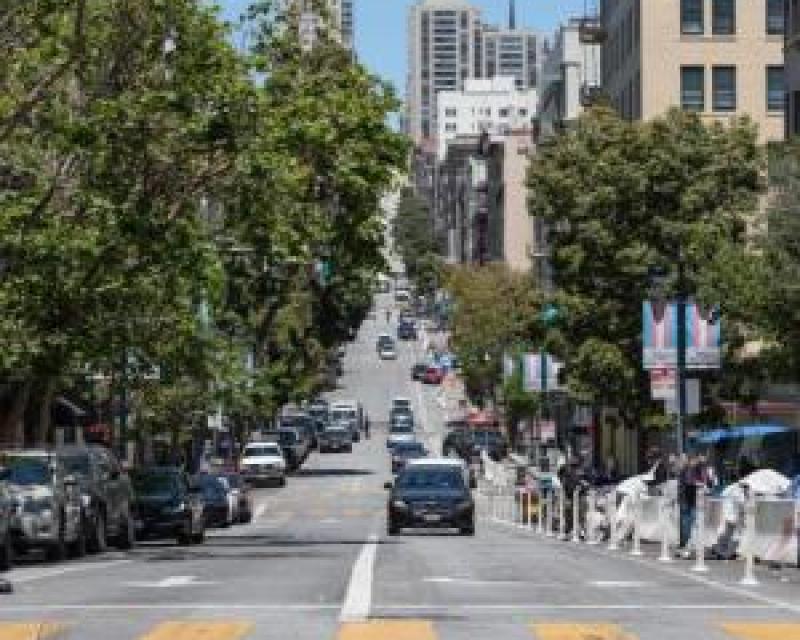
Every year in San Francisco, approximately 30 people lose their lives and over 500 more are severely injured while traveling on city streets. Quick-build projects are one tool that the SFMTA is using to help implement safety projects faster, on San Francisco’s High Injury Network, or the streets where engineering improvements can have the biggest impact in reducing traffic-related fatalities and severe injuries.
This program is made possible in part by Proposition L Sales Tax and Proposition D TNC Tax dollars provided by the San Francisco County Transportation Authority.

What are quick-build projects?
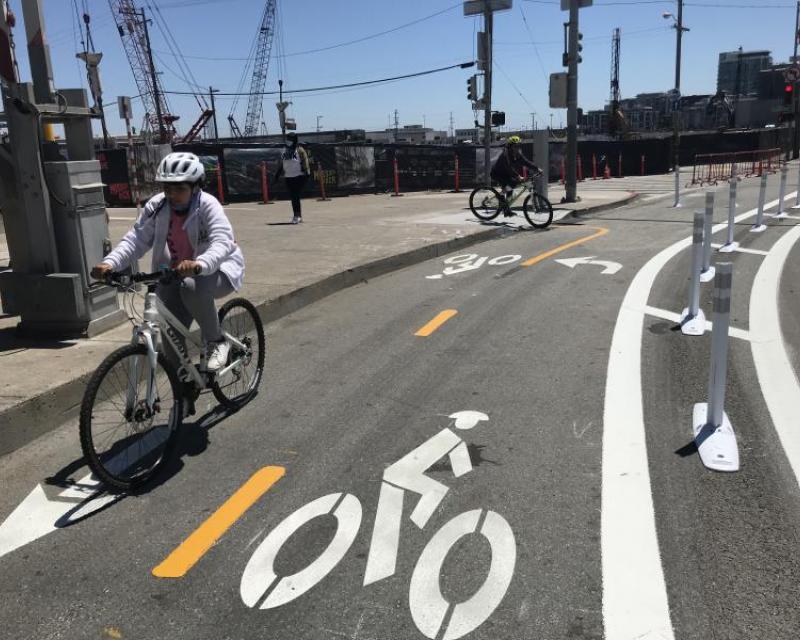
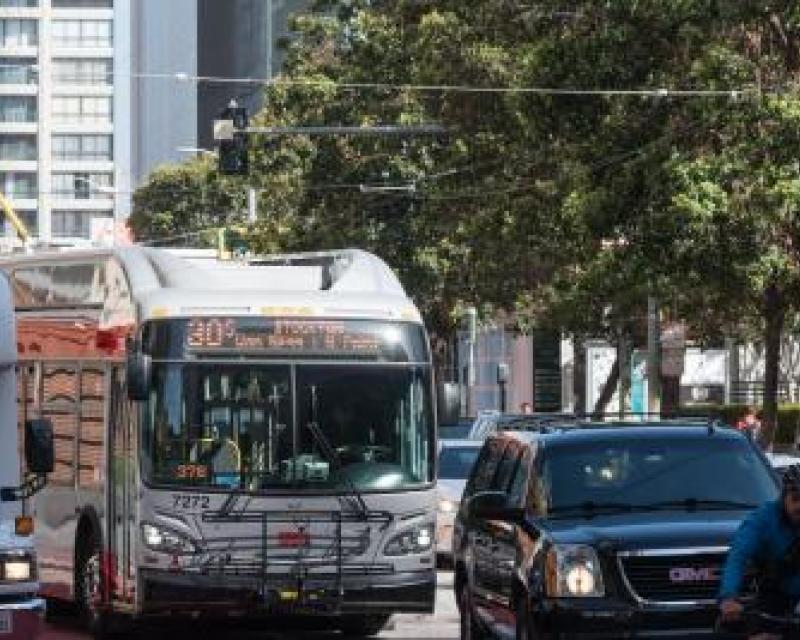
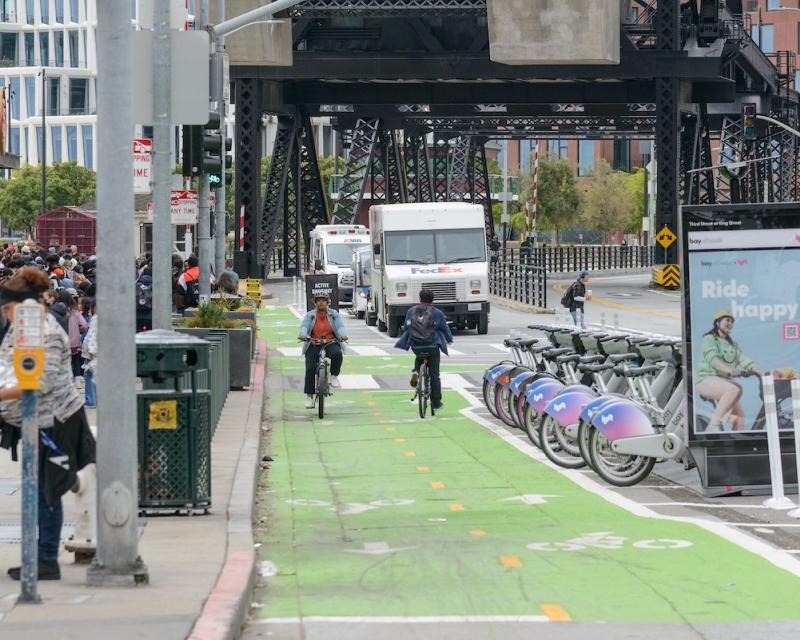
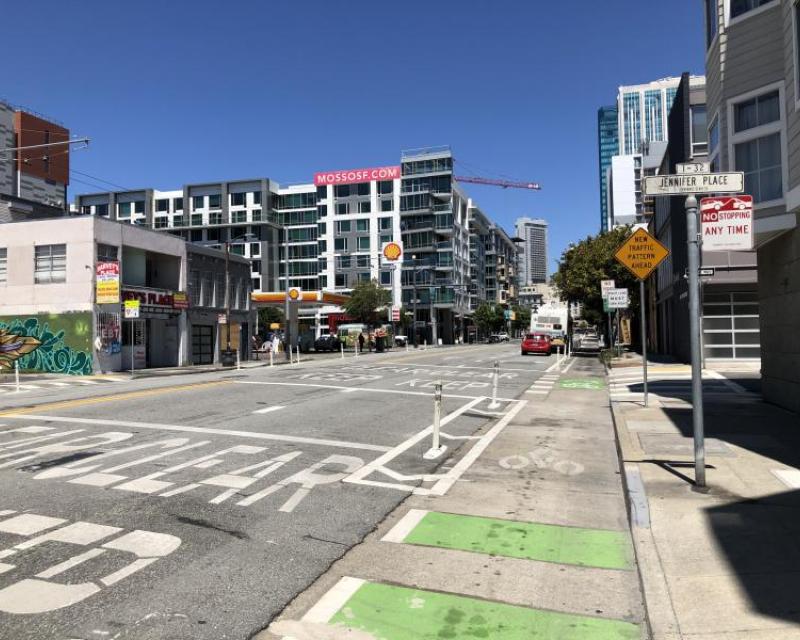
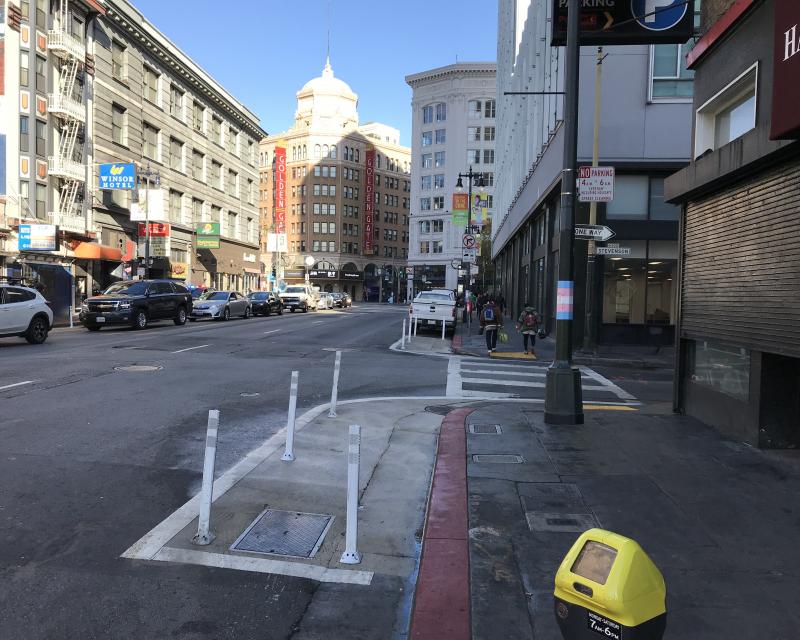
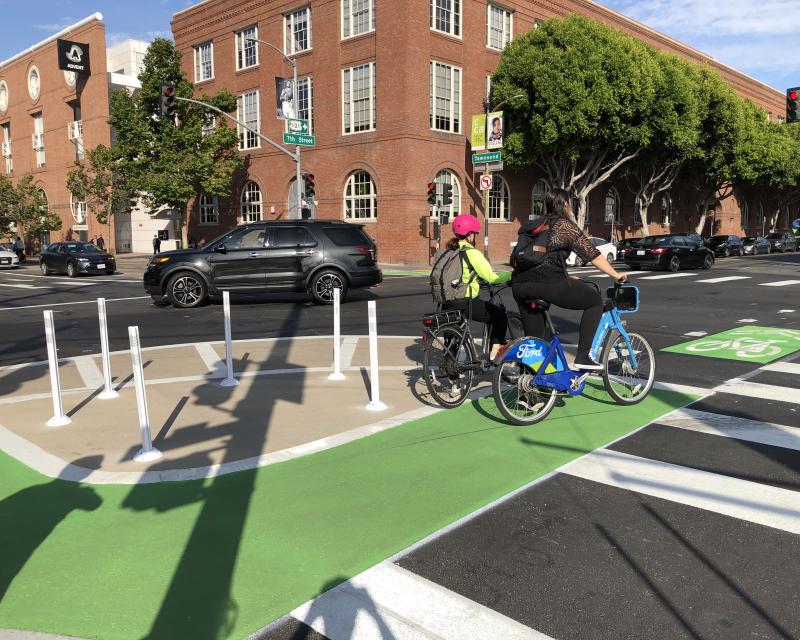
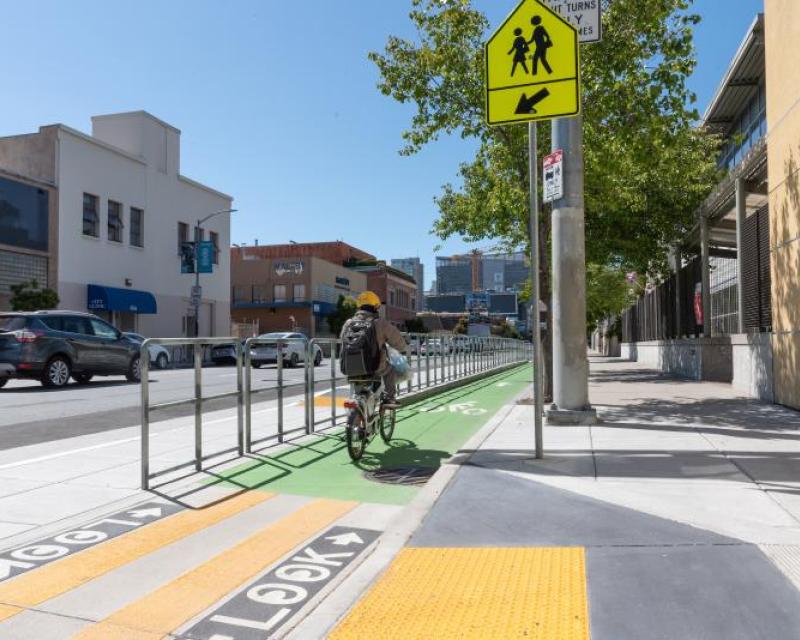
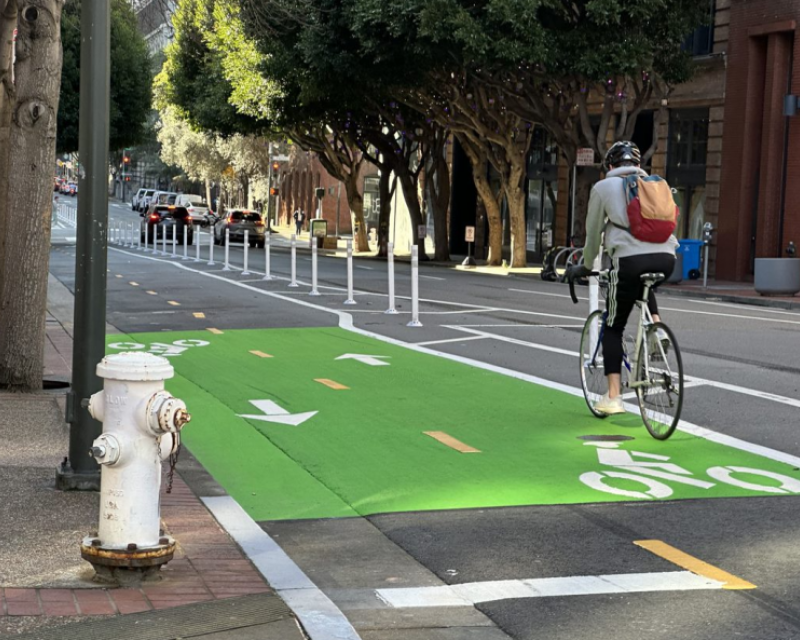
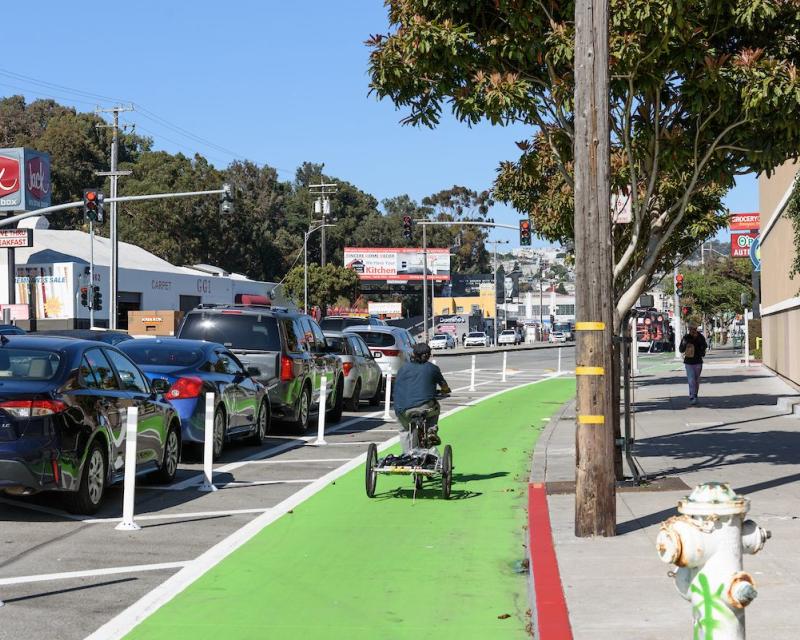
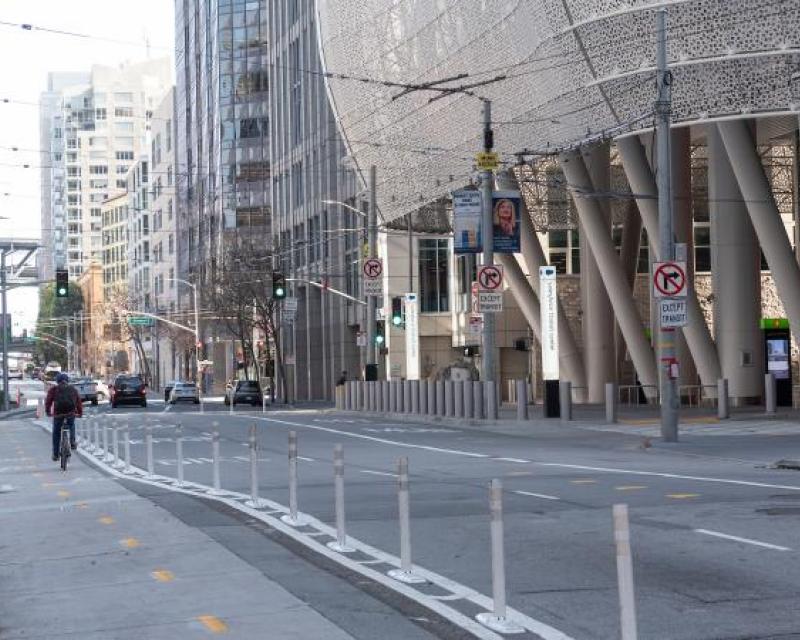
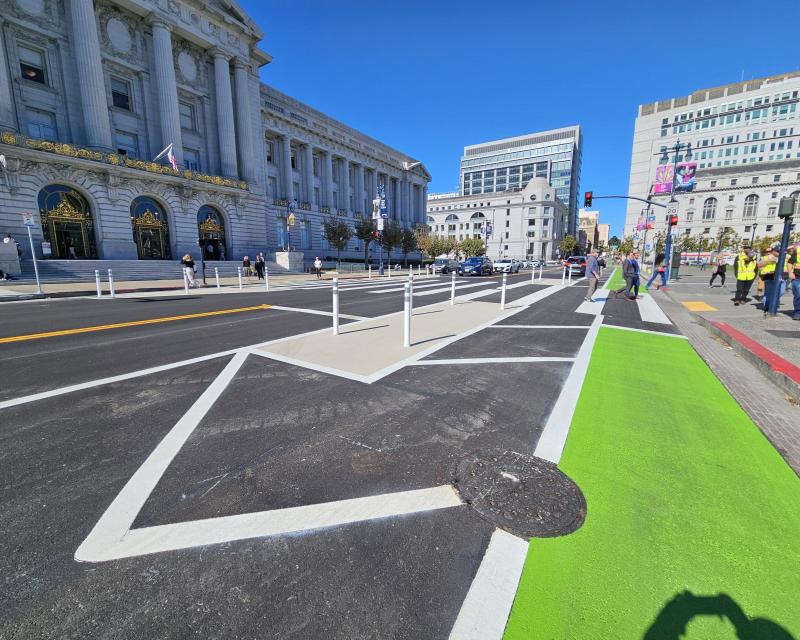
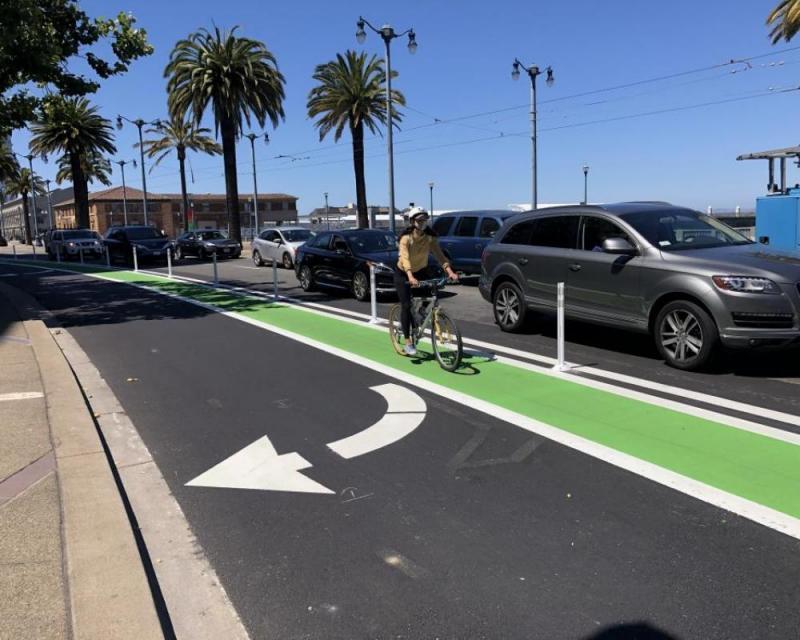
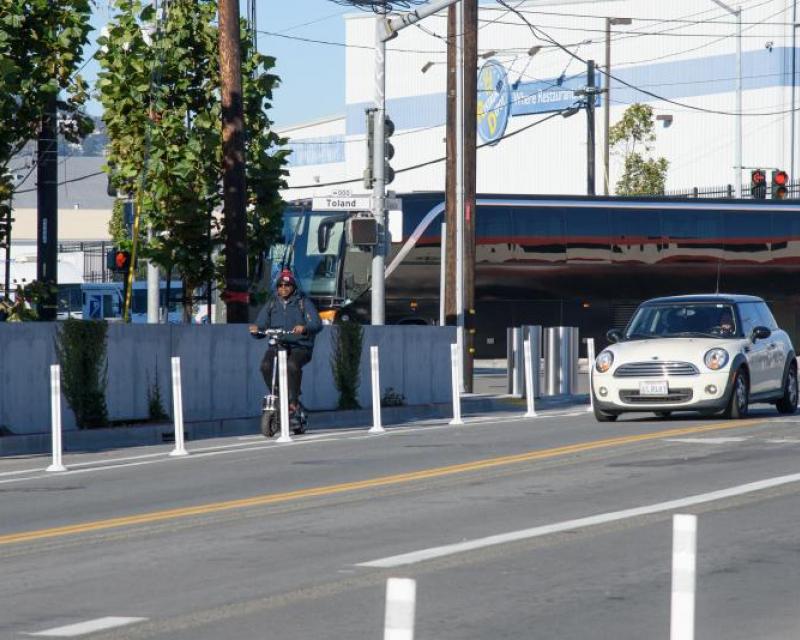
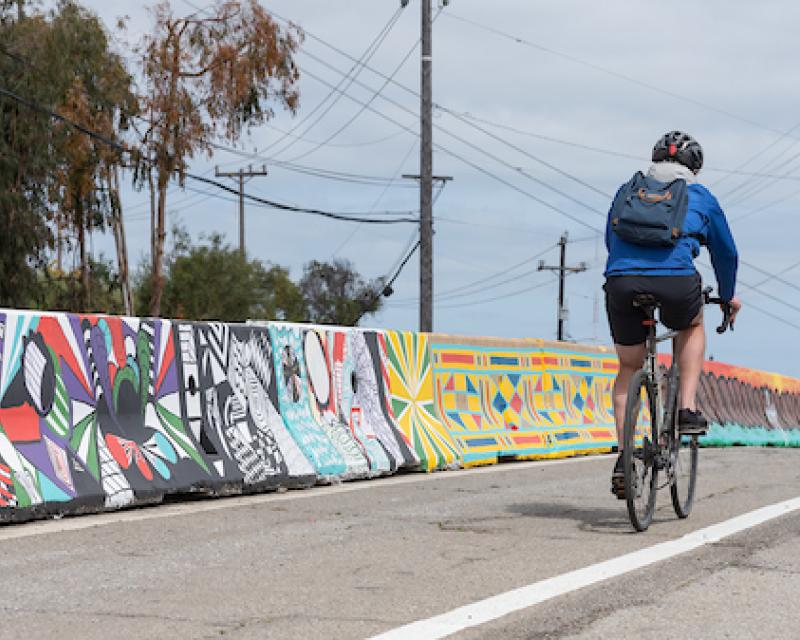
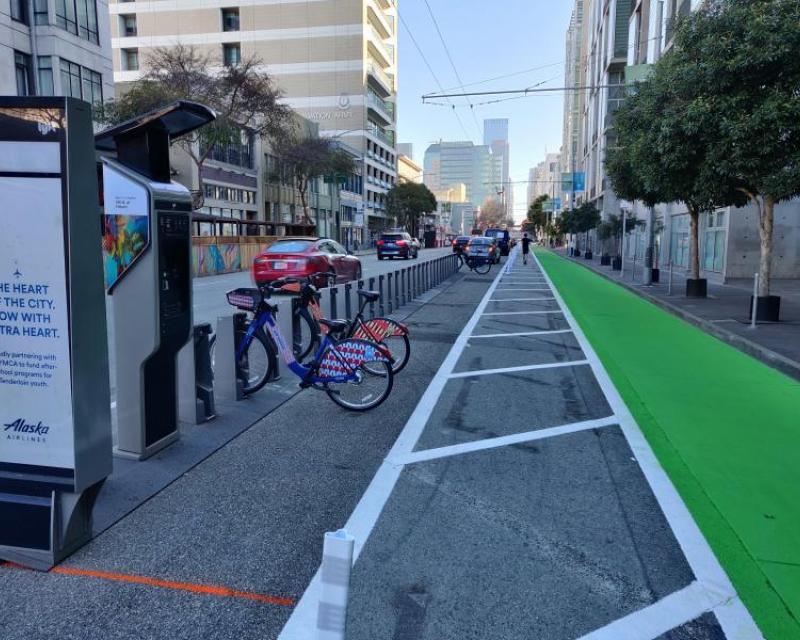
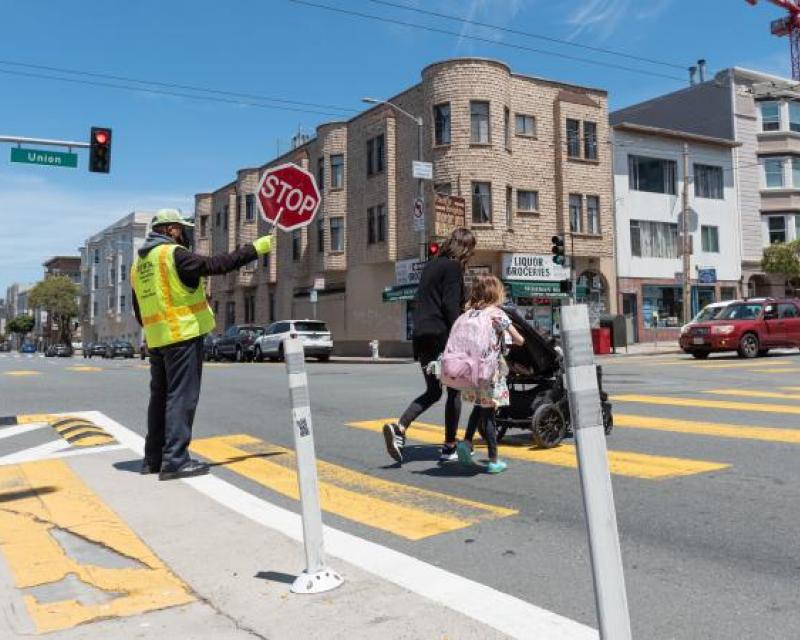
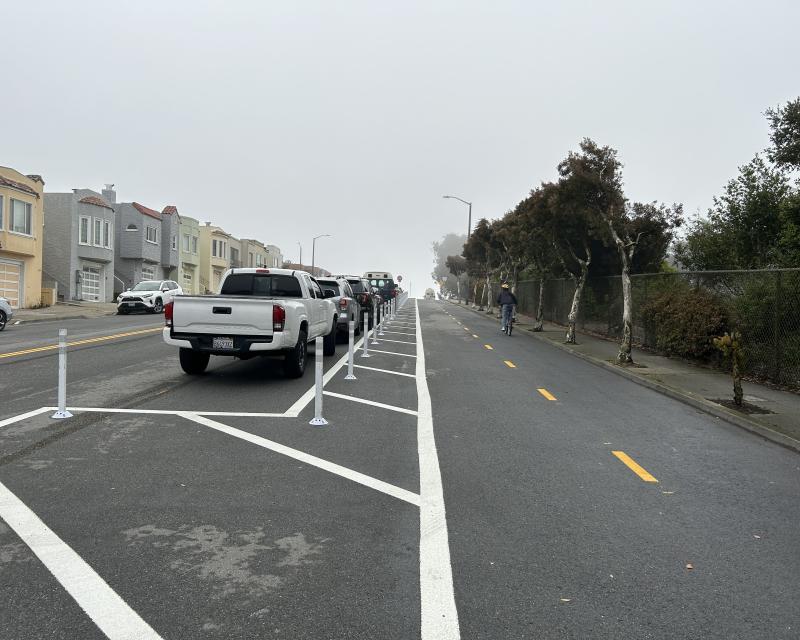
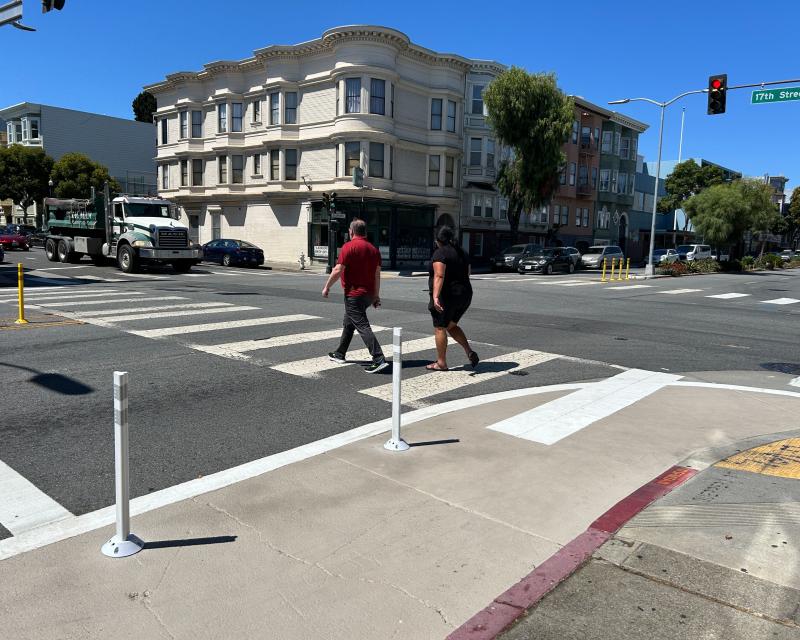
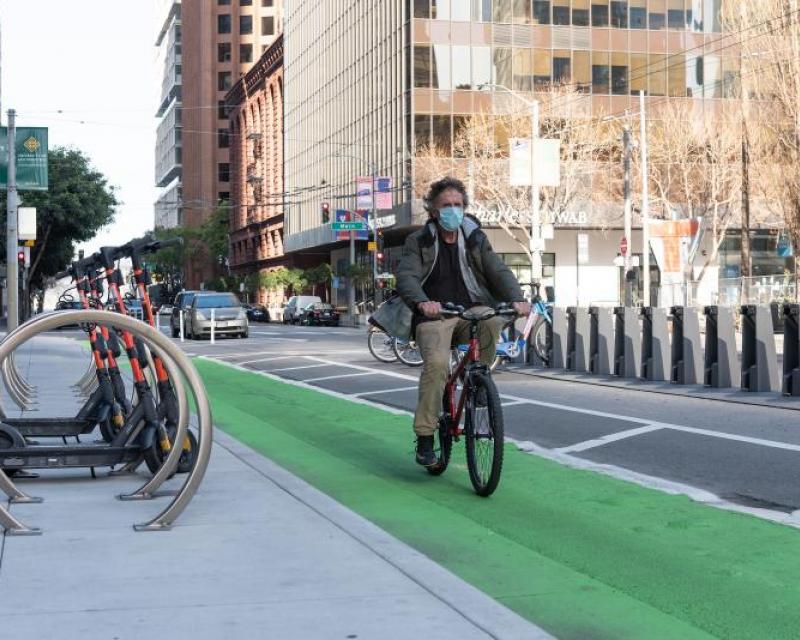
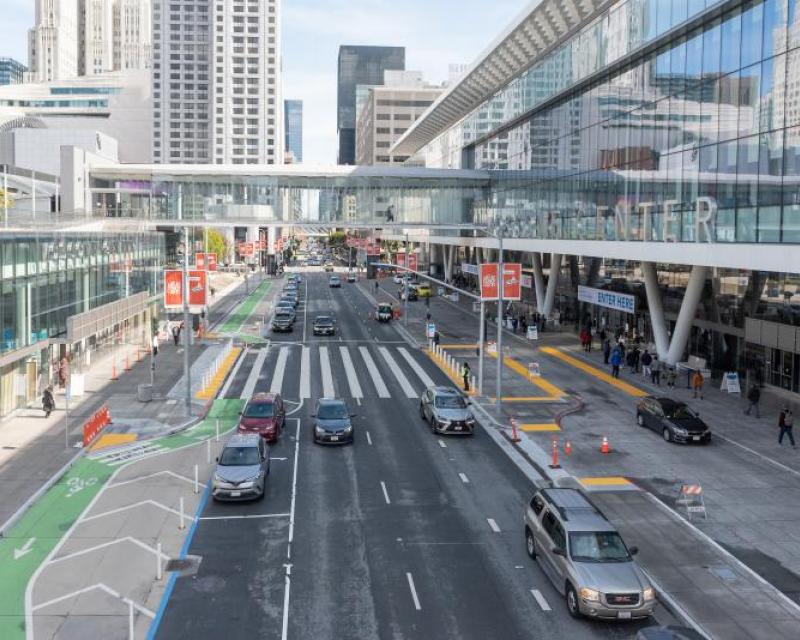
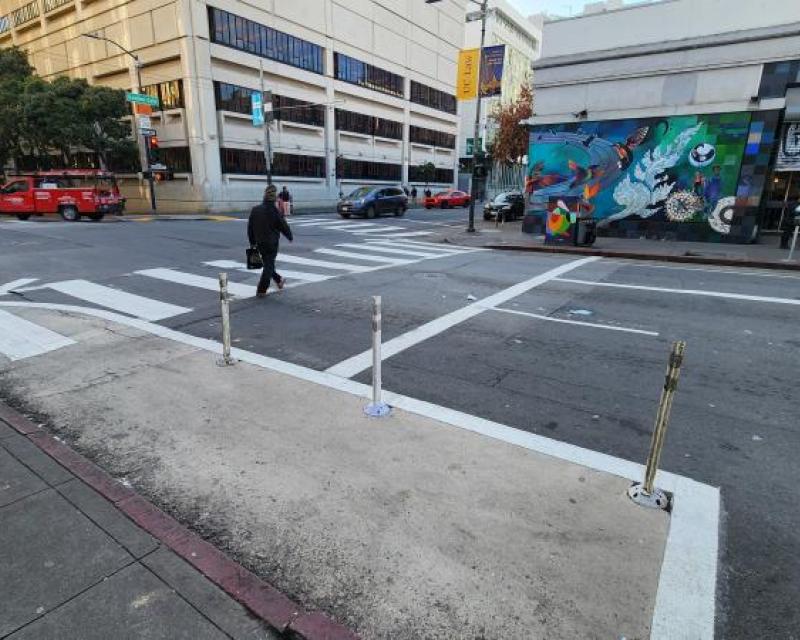
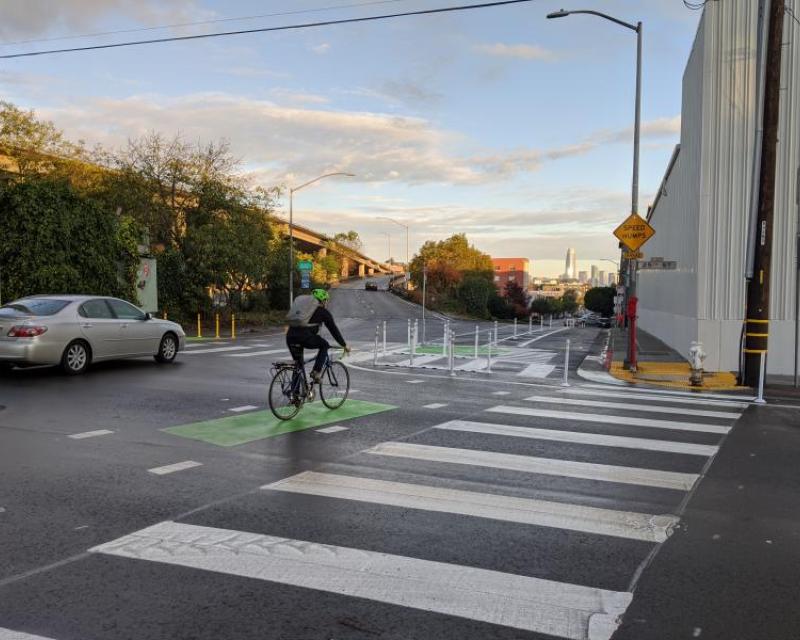
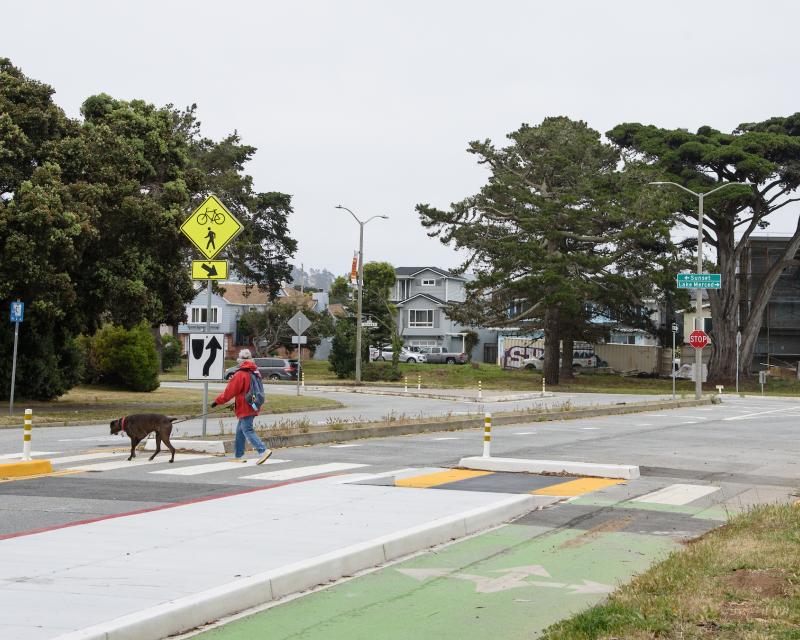
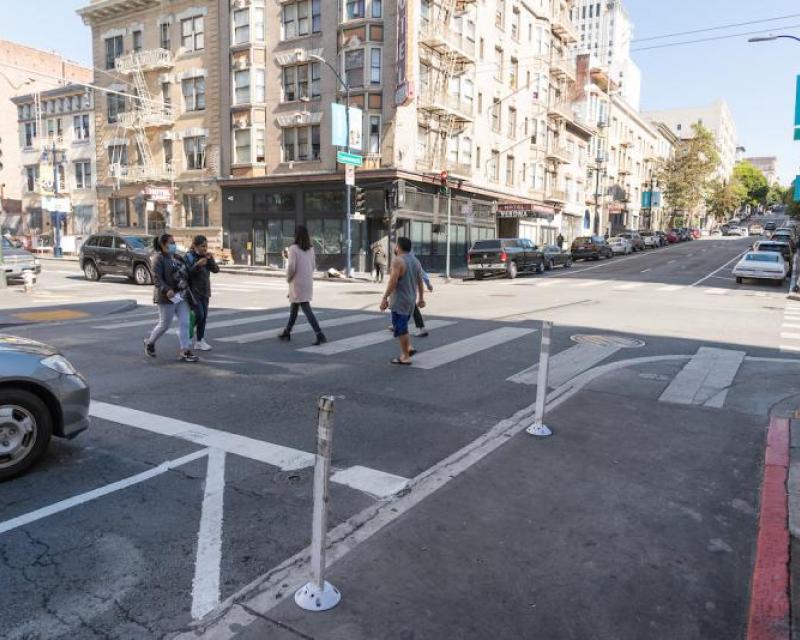
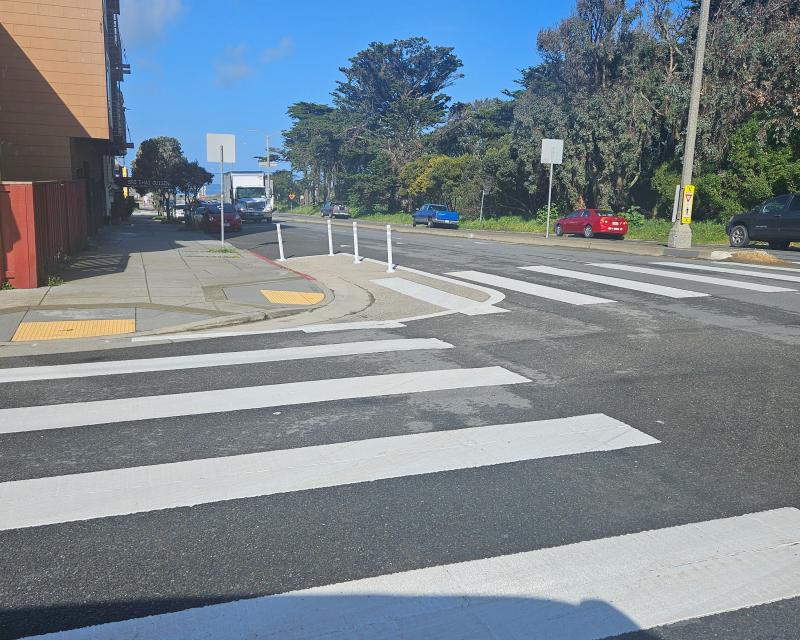
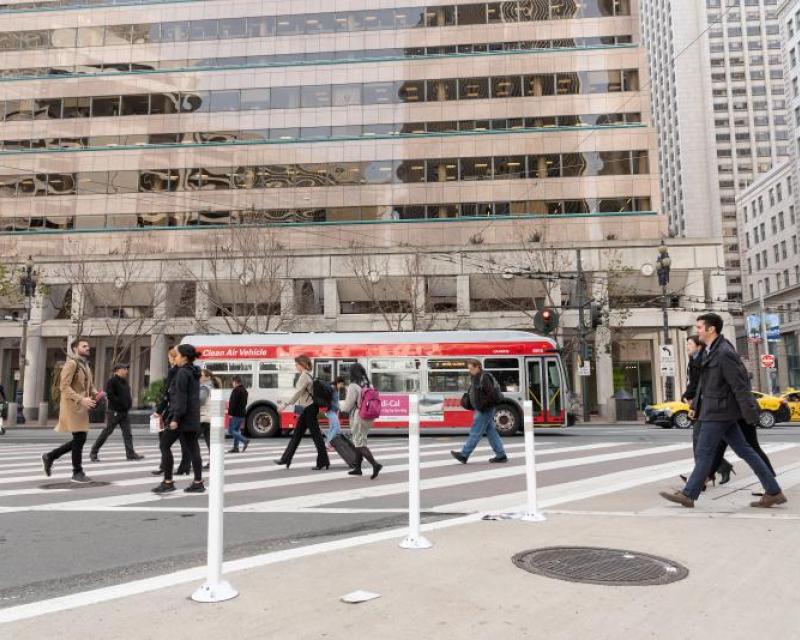
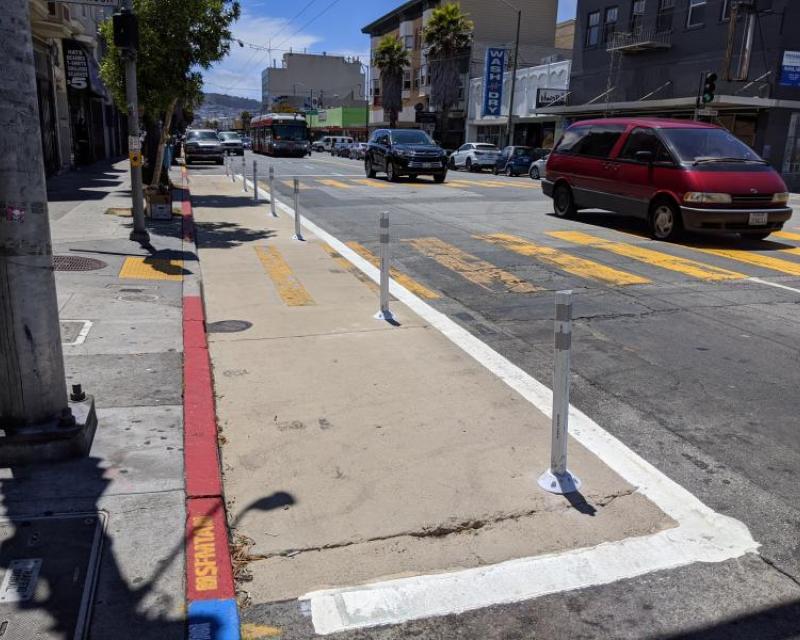
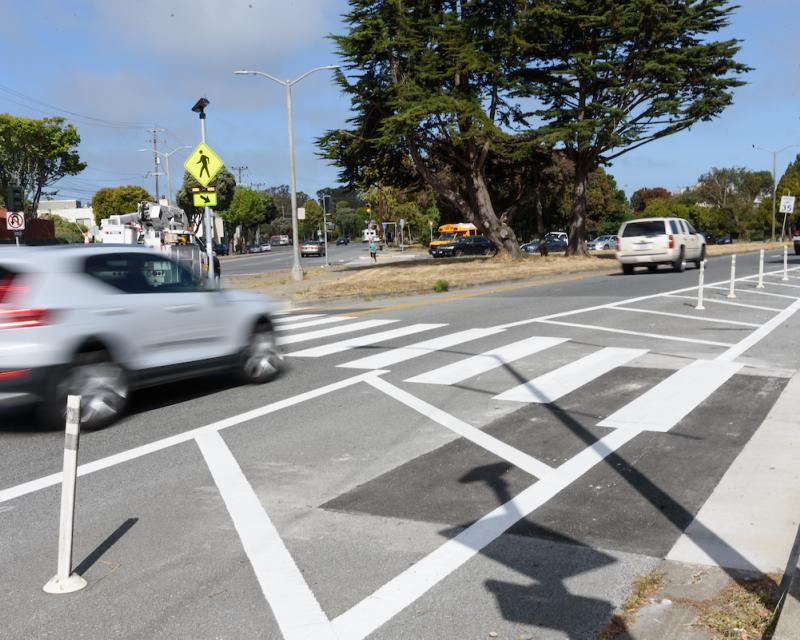
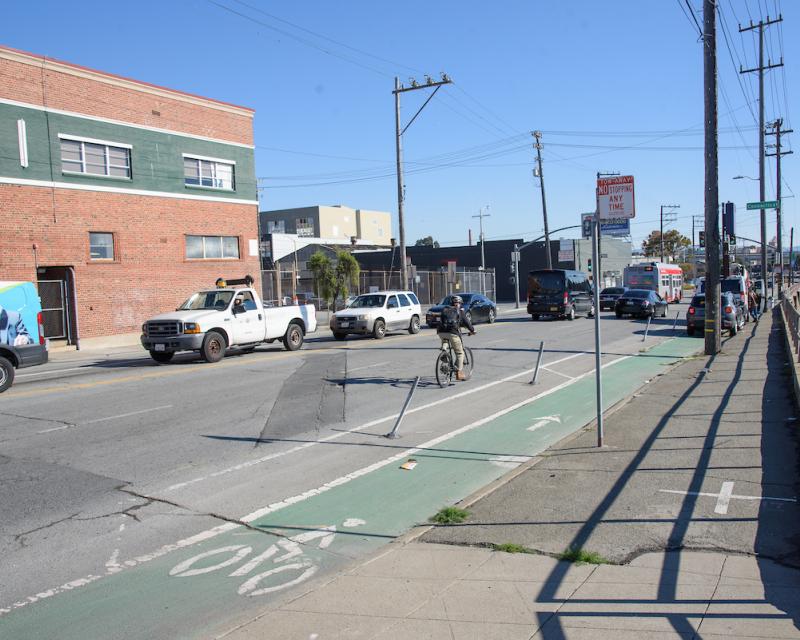
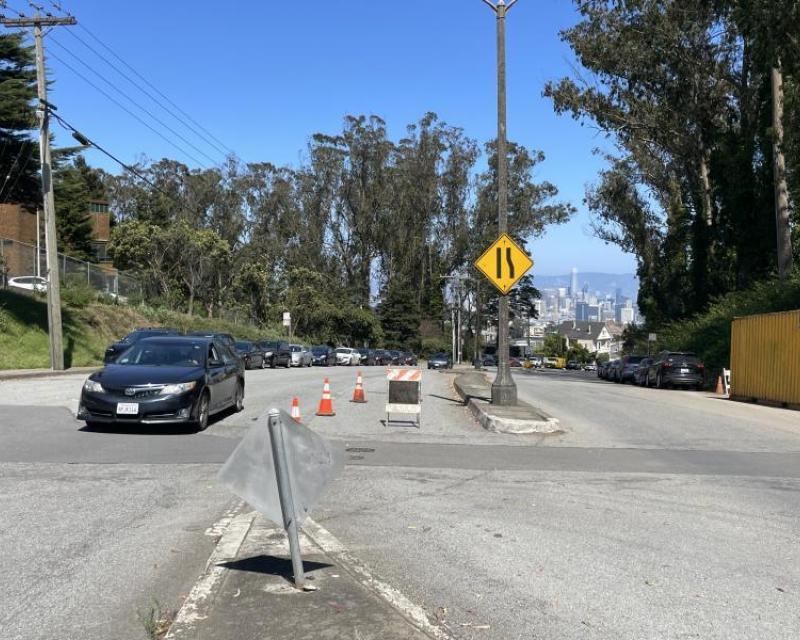
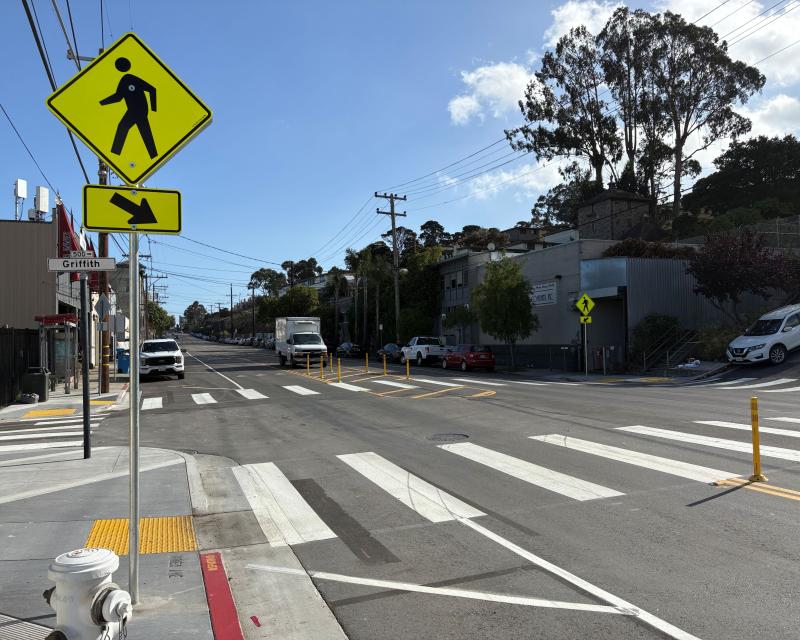
Quick-build projects are reversible, adjustable traffic safety improvements that can be installed relatively quickly. Unlike major capital projects that may take years to plan, design, bid and construct, quick-build projects are constructed within weeks or months and are intended to be evaluated and reviewed within the initial 24 months of construction. Typical quick-build type improvements include:
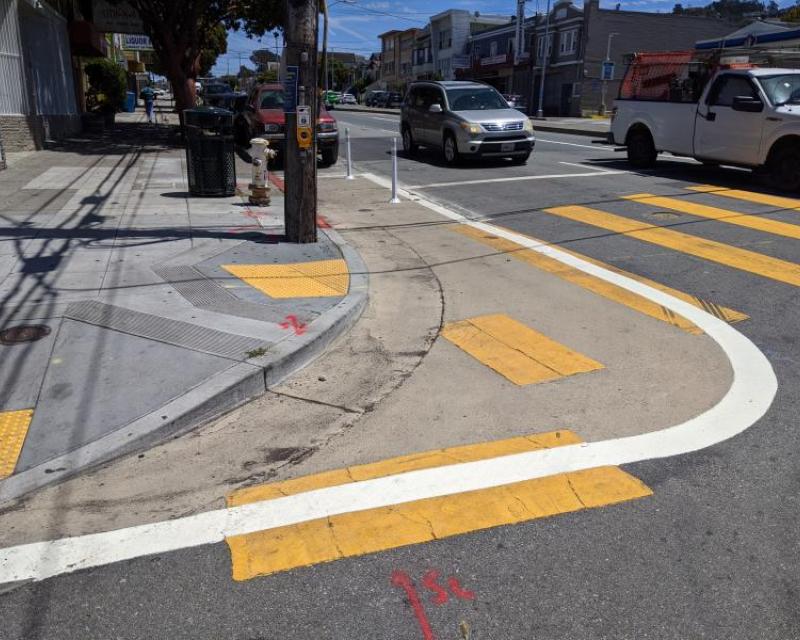
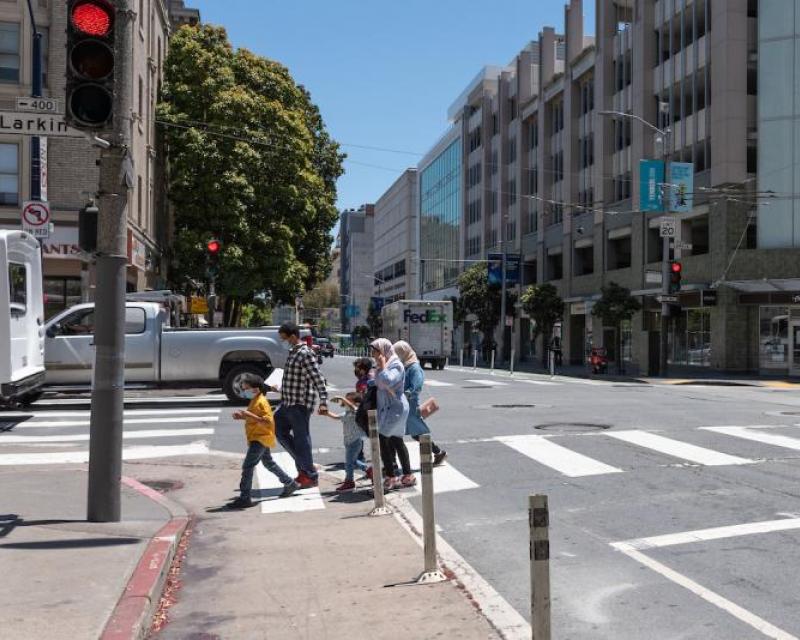
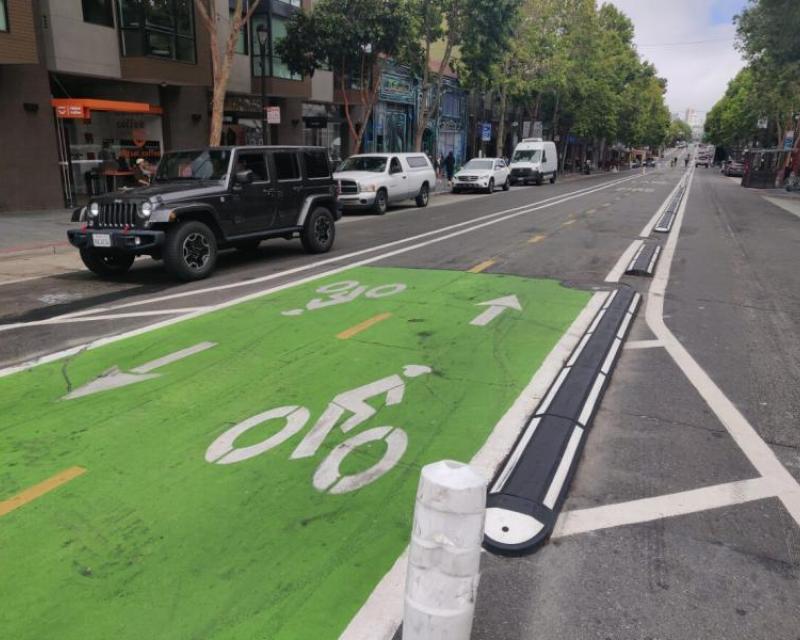
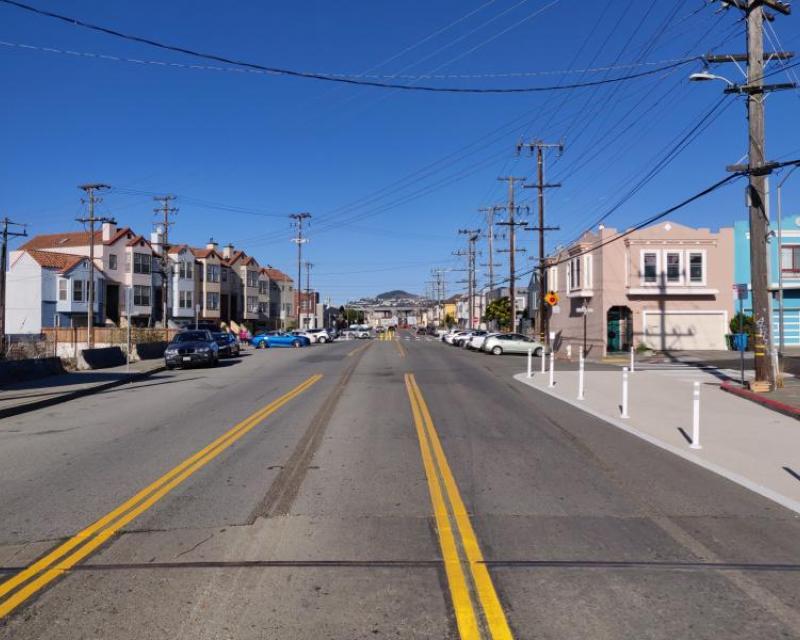
- Paint, delineators, and street signs
- Parking and loading adjustments
- Traffic signal retiming
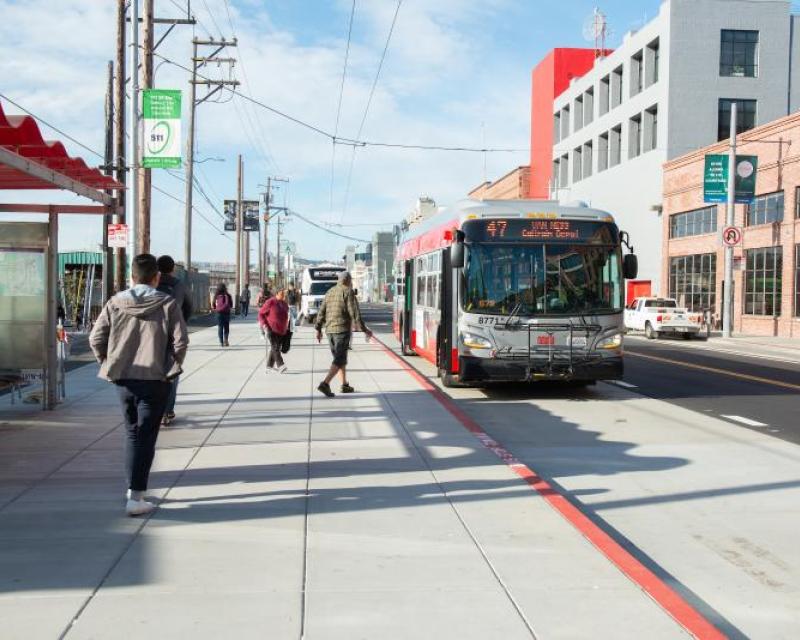
- Transit boarding islands
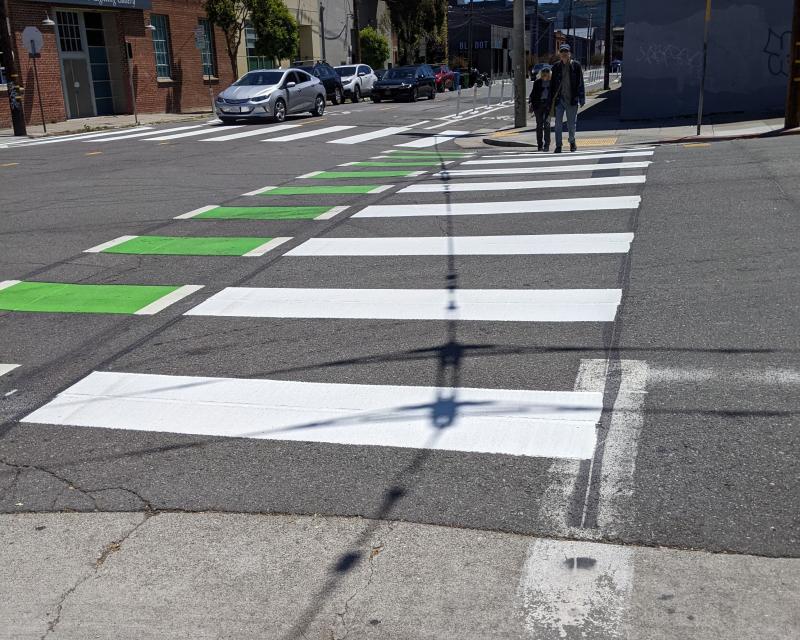
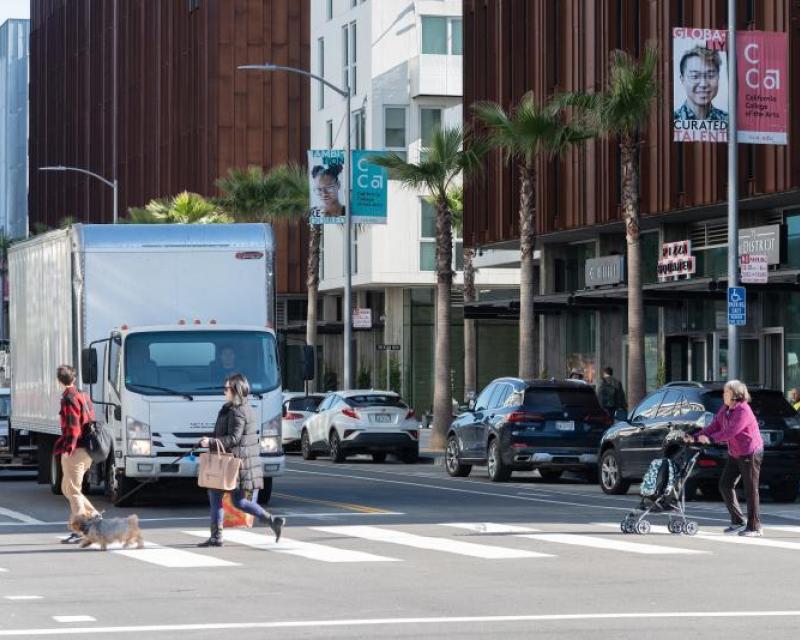
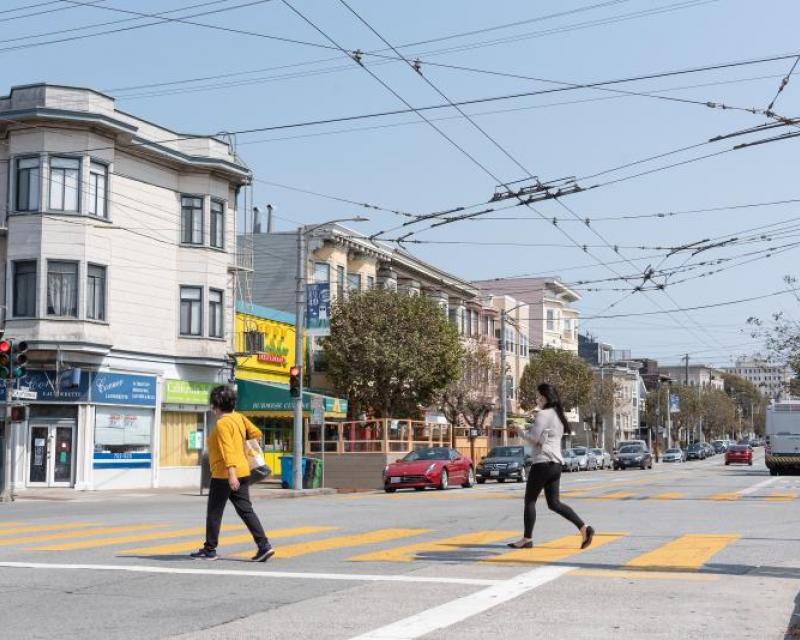
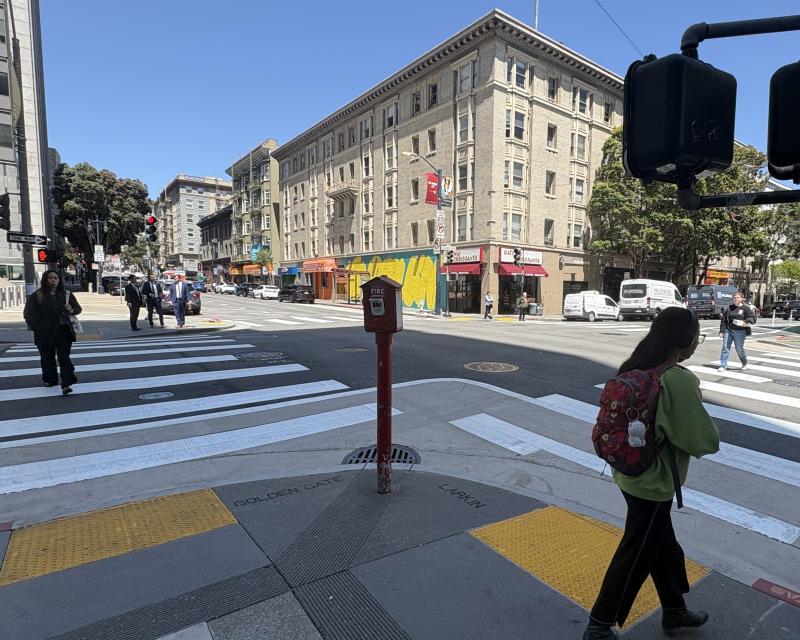
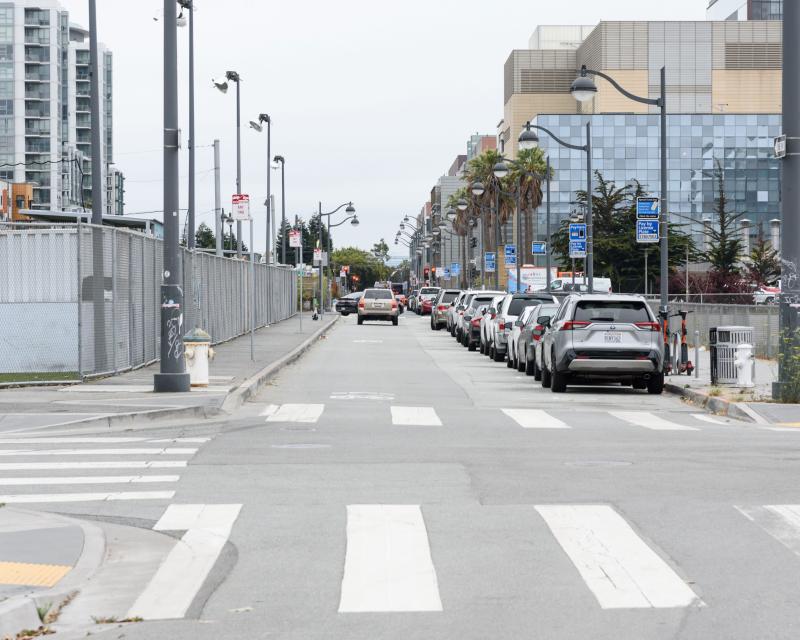
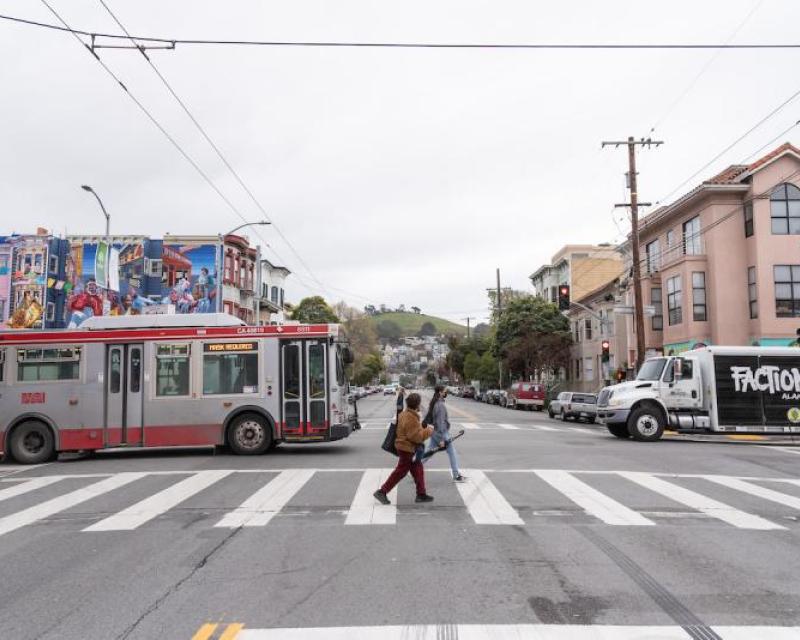
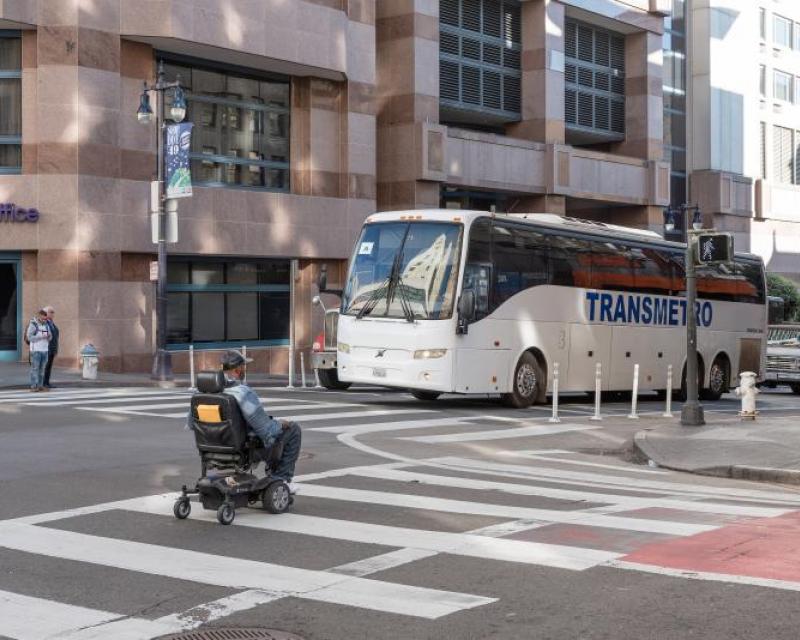
Through the Quick-Build Toolkit project, every street intersection on the Vision Zero High Injury Network will receive core treatments, including crosswalk upgrades, daylighting, advanced limit lines, pedestrian head starts, and longer walk times. Additional screening will be done to identify intersections needing signal head lens upgrades, painted safety zones, and turn calming.
The public and neighboring stakeholders will be informed of these projects prior to construction and will have the opportunity to provide input at a public hearing. Additionally, the SFMTA, through its Safe Streets Evaluation Program, will analyze projects before and after implementation to review outcomes and determine design effectiveness. These findings will be reported to the public on the SFMTA website within 24 months. Evaluations will inform near-term modifications and long-term designs for streets.
Since quick-build projects are focused on the High Injury Network, often where a longer-term project is planned, not all projects are suitable for quick-build implementation. The SFMTA will continue to work with its City and stakeholder partners on the implementation of longer-term projects that include hardscape safety improvements and streetscape elements.